Decapitation knife: what is it, when to use it and why is it essential in the hunting pack? If you are a hunter or a taxidermy enthusiast, knowing this type of knife thoroughly will make the difference between a good result and problems when removing trophies. In this guide you will find everything from technical characteristics to practical tips on use and maintenance to get maximum performance safely.
What is a decapitation knife and what is it for
Contents
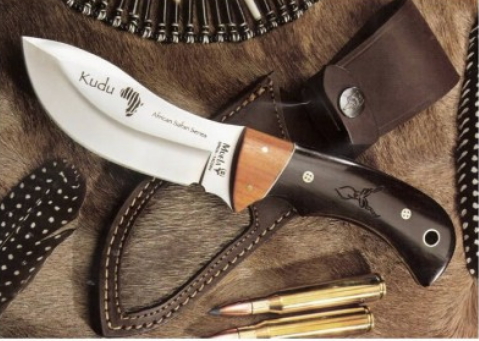
As the name suggests, the decapitation knife is a hunting tool specifically designed to separate the head from the game. Its main use is to make precise cuts around the base of the skull and, when necessary, to cut small portions of bone or cartilage without damaging the parts of the trophy you want to keep. Many hunters keep the animal’s head as a trophy or for later preparation in taxidermy, so the right technique and tool are essential.
Key characteristics of a good decapitation knife
An effective decapitation knife combines several technical attributes. When evaluating or choosing one you should pay attention to:
- Steel and hardness: The steel should be of high hardness and good toughness to retain the edge and resist impacts against bone. Stainless steels or medium-high quality carbon steels are common.
- Sharpening and blade geometry: The blade should have an excellent edge and a geometry that facilitates cutting through tissue and, when necessary, in small bony areas.
- Balance: The center of gravity should be located close to the hunter’s hand to provide precision and control over the blade. Good balance allows safe, repeatable cuts without fatigue.
- Stiffness and durability: It must withstand moderate stresses without bending or chipping.
- Ergonomic, non-slip handle: The grip should be shaped and non-slip to prevent the hand from sliding toward the blade. Materials such as certain treated woods, technical rubber or horn are excellent options.
- Length and shape: Blades are usually compact and robust; their length and shape depend on the type of hunting (small or big game) and the hunter’s style.
Blade materials: advantages and disadvantages
Not all steels behave the same when facing bone or wet tissues. These are the most common options and their pros and cons:
- Stainless steel: Good corrosion resistance and easy maintenance; it may lose its edge faster than very hard carbon steels.
- Carbon steel: Excellent edge retention and ease of sharpening; requires preventive maintenance to avoid rust.
- Treated or alloy steels (VG-10, 440C, 154CM, etc.): Better balance between hardness, edge retention and corrosion resistance; they are often the premium option in hunting knives.
Handles and safety: prevent accidents
Safety starts with the handle. Look for:
- Handles with texture or non-slip treatments.
- Guards or reliefs that prevent the hand from moving onto the blade.
- Anatomic designs that allow a secure grip in wet conditions or with gloves.
Types and designs of decapitation knives
Although the function is specific, there are variations in shape and approach:
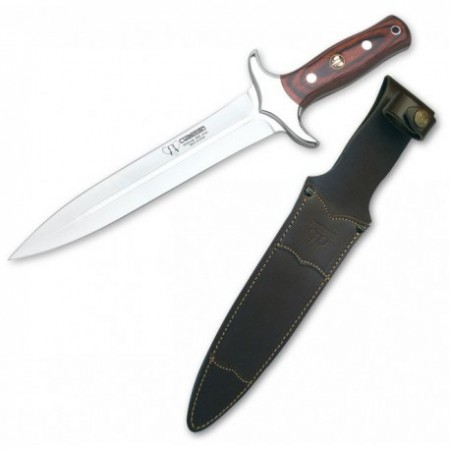
- Sturdy straight blades: Designed for thrust and control. They are ideal for forceful tasks and precise cuts around the skull.
- Blades with reinforced points: Allow controlled initiation of cuts and, if necessary, piercing in specific areas to free tendons.
- Models with moderate curvature: Make tissue separation easier and offer a larger cutting surface for wider sections.
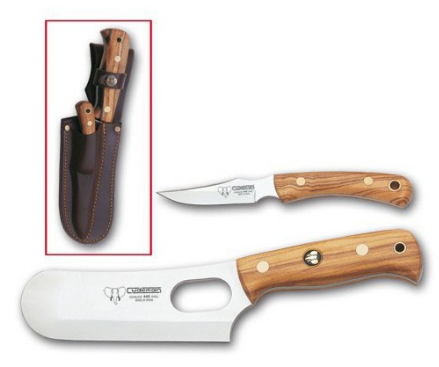
- Combined sets: Some hunters use a butcher’s knife along with the decapitation knife for complementary tasks; for example, a fine skinning knife to separate the skin and a decapitation knife for power cuts.
How to use a decapitation knife step by step
Skill is learned, but following a logical sequence minimizes mistakes. Here is a safe and efficient procedure:
- Preparation and safety: Place the game on a stable surface. Wear durable gloves and ensure the environment is safe.
- Inspection: Locate the base of the skull and anatomical reference points. Plan the cut before you start.
- Initial cut: With controlled movements and a well-set edge, make a cut around the connective tissue that attaches the skin to the neck.
- Separation of tissues: Use short, precise cuts, keeping the blade close to the bone to avoid damaging the trophy. If there are bony structures that prevent separation, tap lightly with a finishing tool if appropriate or change the angle of entry.
- Cutting the neck and base of the skull: The goal is to leave the head clean for preservation. When you reach bone, look for the points of least resistance and proceed with controlled firmness.
- Final check: Inspect the cutting edge to avoid burrs and clean the area with water and a cloth if you are going to preserve the trophy immediately.
Common mistakes and how to avoid them
- Not planning the cut and forcing the blade, which can damage the trophy.
- Using a blade that is not sharp enough, multiplying the effort and increasing the risk of accidents.
- Not securing the game, causing dangerous slips.
Maintenance, sharpening and storage
Keeping the decapitation knife in perfect condition extends its useful life and improves safety. The key points are:
- Cleaning after each use: Remove organic residues with warm water and neutral soap. Dry immediately to prevent corrosion.
- Regular sharpening: Sharpen with a suitable stone or sharpening system to preserve the correct bevel. Maintain a stable angle and make even strokes.
- Rust protection: If the steel is carbon, apply a light protective oil layer after cleaning.
- Safe storage: Keep the knife in its sheath in a dry place and out of the reach of children. Avoid leaving it loose in the backpack.
Choosing and buying: what to look for before you invest
Investing in a good decapitation knife not only improves your work, but also protects your trophy investment. Consider these criteria when buying:
- Value for money: The most expensive is not always the best; look for reputable brands with clear specifications about the steel and heat treatment.
- Warranty and service: Check whether the manufacturer offers after-sales service or professional sharpening.
- Compatibility with sheath and gear: A good sheath and a secure transport system are part of the package.
- Reviews from other hunters: Check real experiences about field performance.
Accessories that complement your knife
In addition to the knife itself, consider having:
- A good stone or portable sharpening system.
- Durable, multilayer gloves.
- A quality sheath and transport options for the backpack.
Legality and ethics in the use of the decapitation knife
The use of the decapitation knife should always fall within local hunting regulations and ethical criteria: only on permitted species, with the necessary authorizations, and always seeking respectful treatment of the animal. Handling meat and trophies hygienically and responsibly avoids sanctions and protects the reputation of the community.
Practical tips from experienced hunters
Veterans recommend:
- Practice the technique on pieces not intended to be preserved as trophies before tackling your first valuable animal.
- Always carry a multitool knife for fine cuts and the decapitation knife for power tasks.
- Check the edge each day; a keen edge reduces the risk of slips.
Myths and realities
Myth: Only large knives are suitable for decapitation. Reality: In many cases a short, well-balanced blade is more effective and safer. Myth: Any stainless steel will do; Reality: Steel quality determines performance and maintenance.
A well-chosen knife will accompany you for many years if you take care of it. Technique, safety and respect for the animal are as important as the tool.