Did you know that a well‑chosen folding knife can completely change the way you work in your vegetable garden or out in the hills? Garden and mountain folding knives are not just tools; they are extensions of your hand that allow precise grafting, clean pruning and quick cuts for harvesting and small craft jobs.
In this article you’ll find everything you need to know to choose the right folding knife, use it safely, keep it sharp and get the most out of gardening, grape harvesting, mushroom foraging and outdoor work. At the end you’ll find direct links to recommended models in our shop.
What garden and mountain folding knives are and what they are used for
Contents
- What garden and mountain folding knives are and what they are used for
- Types of garden and mountain folding knives
- How to choose the right folding knife
- Safe use and cutting techniques
- Maintenance and sharpening for optimal performance
- Materials and finishes: how they affect performance
- Professional tips
- Where to buy garden and mountain folding knives
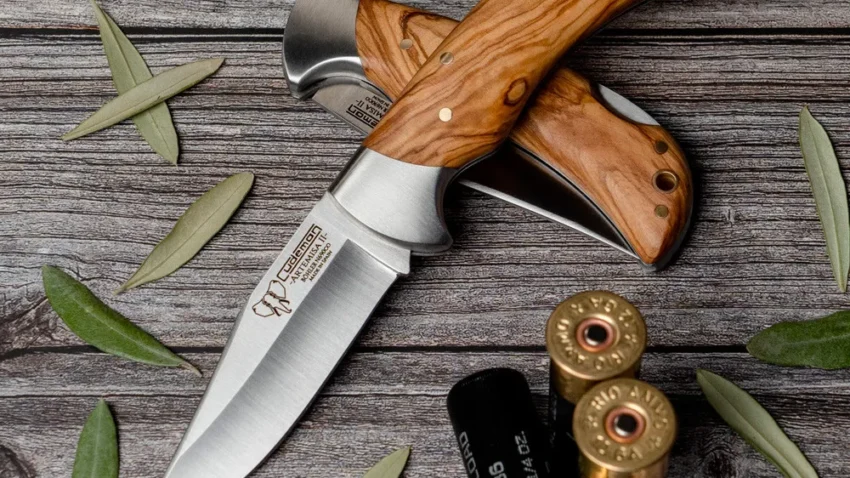
Garden and mountain folding knives are cutting tools designed for specific tasks: grafting, pruning thin branches, cutting shallow roots, harvesting fruit or mushrooms and craft work that requires precision. Unlike a generic kitchen or field knife, these folding knives have blades shaped for clean cuts that don’t harm plants and ergonomic handles that make prolonged work easier.
Common uses
- Grafting: precise, smooth cuts so the rootstock and graft fit together well.
- Fine pruning: young branches, tip cuts and shoots that require a tear‑free cut.
- Harvesting and grape picking: models with short, sharp blades to cut clusters or fruit carefully.
- Mushrooms: knives with a scraper or brush in the handle to clean the specimen.
- Craft work: carving and cutting plant materials for handicrafts.
Why they matter in the garden and in the hills
A clean cut prevents disease entry and speeds plant healing. In addition, the ergonomics of a well‑designed knife reduce fatigue and increase safety. That’s why no home should be without them if you want healthy, well‑kept gardens.
Types of garden and mountain folding knives
There is a wide variety of models, each designed for specific needs. Choosing the right type depends on the main use you will give it. Below we describe the most common types and the features to look for.
Grafting knives
Designed to deliver precise cuts and smooth surfaces, grafting knives usually have thin, pointed blades. They are ideal for making buds, shield grafts and grafting operations in spring and autumn.
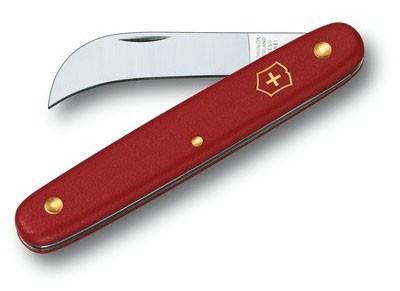
Pruning knives
Pruning knives have more robust blades but a very sharp edge to cut without tearing. They are useful for young branches, tip cuts and maintenance of small hedges.
Mushroom knives
They have compact shapes and often include a small brush in the handle to clean the specimen after cutting. Their short blade avoids damaging the mycelium and preserves the mushroom’s quality.
Grape‑picking knives
Designed to cut clusters quickly, these knives usually have a strong blade and a shape that allows one‑handed use. Their use improves harvesting speed and prevents damage to the vines.
Multi‑purpose and specialized models
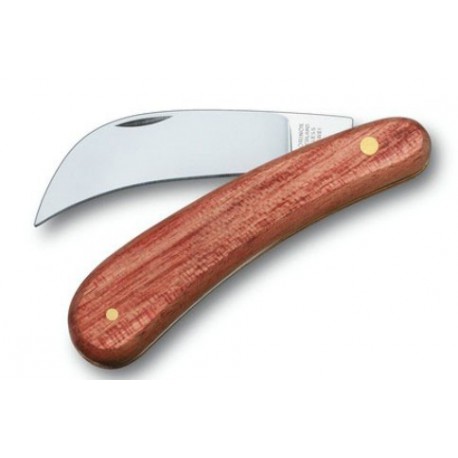
There are knives with intermediate shapes, curved blades or traditional country designs that serve multiple tasks. Gardening professionals have a wide range of models and materials for every job.
How to choose the right folding knife
Choosing the correct knife involves evaluating several factors: type of work, ergonomics, materials, size and ease of maintenance. Here is a practical guide to help you make the best decision.
1. Define the main use
If you will be grafting, prioritize a thin, precise blade. For frequent pruning, opt for a sturdy blade and a secure locking system. For mushroom foraging or grape picking, value comfort and maneuverability.
2. Blade material
Carbon steel blades offer longer‑lasting sharpness but require protection from moisture. Stainless steel resists corrosion and simplifies maintenance, although it sometimes needs more frequent sharpening. Choose according to your working environment and expected upkeep.
3. Handle and ergonomics
Look for ergonomic handles that fit your hand well and provide a secure grip, even when wet. Wooden handles offer a classic, warm feel, while synthetic ones are usually more water‑resistant.
4. Locking system and safety
A good locking mechanism prevents accidental openings and protects the edge. For intensive work, value robust and safe locks.
5. Weight and size
A knife that is too heavy causes fatigue; one that is too small may lack the necessary power. Try several sizes if possible and prioritize control for fine tasks.
Safe use and cutting techniques
The risk in gardening and mountain work is not only cutting the plant but injuring yourself. Safety and technique are key to working effectively.
Basic safety rules
- Keep the knife sharp: a dull edge forces you to apply more force and increases the risk of accidents.
- Always cut away from your body and keep your other hand away from the blade.
- Wear gloves when necessary, but keep in mind that some fine tasks require direct touch without thick gloves.
- Close and store the knife after use; make sure the lock is properly engaged.
Recommended techniques
For grafting, make clean, precise cuts with controlled movements. For pruning, find the correct cutting point, avoiding leaving long stubs that hinder healing. When harvesting fruit and mushrooms, make a cut that preserves as much of the product as possible.
Maintenance and sharpening for optimal performance
Keeping the knife in good condition is as important as choosing it. Proper maintenance extends life and improves work results.
Maintenance routine
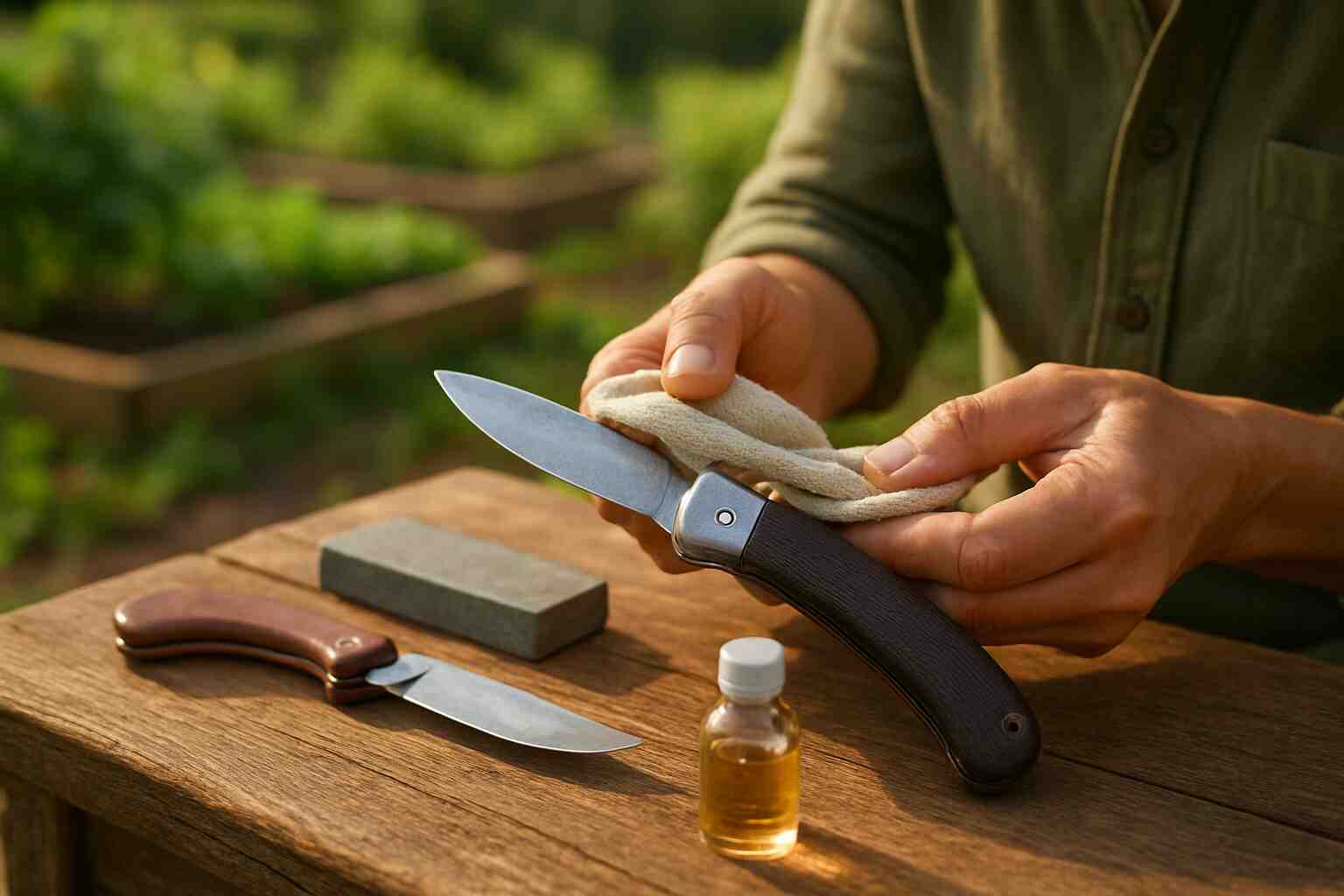
- Cleaning: after use, remove sap and plant residue with a cloth and water if necessary; dry completely.
- Anti‑corrosion protection: apply a light coat of oil to the blade if you work in humid environments or with carbon steels.
- Sharpening: perform regular sharpening with a stone or suitable system; a well‑maintained edge improves cut quality.
- Check lock and rivets: ensure the locking mechanism and screws are well tightened.
How to sharpen
Sharpening should be progressive: first remove material if the blade is damaged, then refine the bevel and finally polish the edge. Keep the factory angle and make equal passes on each side.
Materials and finishes: how they affect performance
Blade materials and handle finishes affect not only aesthetics but durability and the user experience.
Carbon steel
Provides easy sharpening and a very durable edge. It is ideal for jobs that require an extremely keen cut. However, it needs protection against moisture.
Stainless steel
More resistant to corrosion and lower maintenance. Perfect for users who prefer a ready‑to‑use tool without strict care.
Wood handles
Offer grip and a warm feel; they require basic care to avoid deformation from moisture. They are traditional and aesthetically attractive.
Synthetic handles
Very resistant to impacts and moisture. They offer non‑slip textures and retain their shape in extreme conditions.
Professional tips
Gardeners and outdoor professionals usually have several models at hand: one knife for grafting, another for pruning and a third for harvesting. This optimizes effort and extends the life of each tool.
- Tool rotation: using several knives prevents premature wear of a single one.
- Labeling and exclusive use: dedicate one knife for sap or resin work and another for clean tasks to avoid contamination.
- Practical training: practicing grafting and pruning techniques improves results with any tool.
Where to buy garden and mountain folding knives
If you are looking for variety, guarantees and advice, our online shop is the recommended option. On cuchillosnavajas.com you will find models specific for grafting, pruning, grape picking and mushrooms, as well as maintenance accessories such as sharpening stones and protective oils.
Buying from a specialized shop ensures access to knives selected for their quality, with technical descriptions and clear photographs. You will also be able to choose between different materials and finishes depending on your need. Remember to check the product sheet to confirm dimensions, steel type and usage recommendations.
For professional work, opt for knives with a good locking system and sealed rivets. For domestic and hobby use, lightweight models with ergonomic handles tend to be more comfortable.
The investment in a good knife is noticeable: cleaner cuts, less effort and tools that last for years with proper care.
SEE MORE GARDEN AND MOUNTAIN KNIVES | SEE KNIVES FOR MUSHROOMS | SEE HUNTING KNIVES
With these guidelines you will have the keys to choose the right knife, use it safely and keep it in perfect condition. Garden and mountain folding knives are versatile tools that, when well chosen and cared for, simplify work and improve results. Dare to try different models and build your ideal kit; your garden and your outdoor trips will thank you.