Hunting, an activity that has accompanied mankind since time immemorial, has seen its tools evolve over the centuries. However, one of the most essential and enduring is, without a doubt, the hunting knife. This instrument is not only vital for success on the expedition, but stands as an indispensable multifunctional tool in various situations. Choosing the right knife can make the difference between a successful experience and one full of inconveniences.
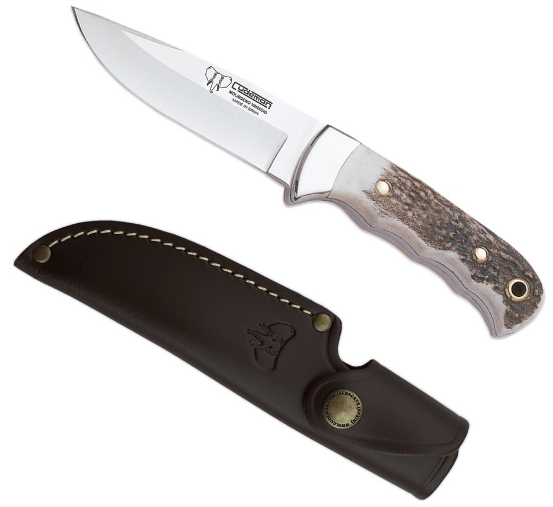
The hunting knife may be less known than the hunting knife, but hunters who own them know perfectly well the wonder of having this tool in their hunting sport. Hunting knives have a unique versatility, as their smaller size makes them easier to handle because they are lighter, making it easier to use with one hand.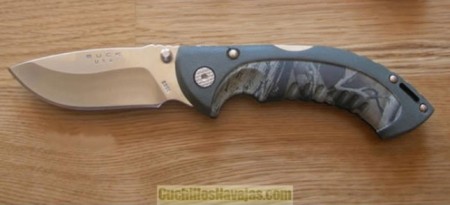
Hunters use these knives especially for skinning their prey. Another advantage of hunting knives—and what differentiates them from the hunting knife—is that they can be folded over the handle so that the blade is stored between the two scales or in a special groove. Although it is true that there are also folding knives, they are larger and sometimes not very easy to use with one hand.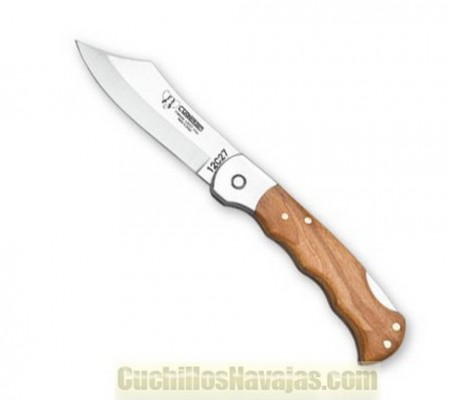
When it comes to hunting knives, there are so many brands, models, and designs that it is very difficult to select the best ones, since most of them are of excellent quality and precision. Each hunter decides which is the best knife for themselves and surely gets it right because by choosing their own, it is the one that best suits them. We make a selection of the best brands, designs, and qualities in hunting knives, so that everyone can choose the one they consider best.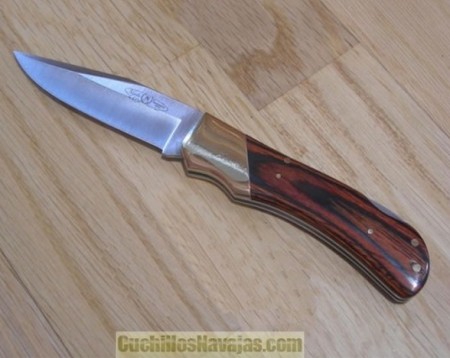
The Historical Legacy of Knives: A Journey Through Time
Contents
- The Historical Legacy of Knives: A Journey Through Time
- Why Is a Hunting Knife Essential? Practical Use and Safety
- The Best Cutting Tools for a Hunter: Hunting Knives
- Unraveling the Perfect Choice: Technical Criteria and Key Features
- How to Choose the Ideal Knife for Your Hunter Profile
- Best Brands and Models on the Market
- Keeping Your Faithful Companion: Maintenance and Sharpening
- A Look at Legality: Hunting Knives in Spain
- Explore, Compare, and Decide: Your Next Hunting Companion
The history of knives dates back to Stone Age knives, conceived for obtaining food through hunting and fishing. Knives, as folding derivatives of the knife, carry with them hundreds of years of tradition. The knife has been known in Spain since the late 16th century, under the reign of Charles I, standing out for its metal blade and handle joined by an axis that allowed pivot movement.
A key factor in their rise was the prohibition of swords during this period, allowed only for military and nobles. This restriction encouraged the manufacture of knives, which could be easily hidden under the sash. Although their exact origin is debated, with versions linking them to the “Andalusian knife” or the folding knife par excellence for traveler defense, towns such as Santa Cruz de Mudela, Jerez de la Frontera, and Seville, and especially Albacete, known as the “city of Spanish cutlery,” are intrinsically linked to their history.
It is inferred that the origin of the renowned Spanish knives is associated with certain Muslim traditions, and already in the 16th century, Spain exported large quantities of knives throughout Europe. These were made by artisans in precarious workshops, using fire to shape the metals in a process that could involve up to forty operations. By the 15th century, Albacete was already a reference point with communities of blacksmiths and cutlers, and by the 17th century, the city had a solid cutlery manufacturing industry, highlighting the Spanish knife, with numerous family workshops.


The 18th century marked the golden age of Spanish cutlery, with the knife standing out throughout Europe thanks to specialized masters and artisans. In the 19th century, the famous cutlery vendors emerged, facilitated by the availability of raw materials and the railroad. At the end of this century, the “Punta cortada” knife appeared due to legal restrictions on points, popular among farmers for tasks such as grafting. However, the “Albaceteña” established itself as the “queen of Spanish knives” for its origin and domestic and rural use in the region.
The 20th century saw a diversification in the typology of the Spanish knife, being recognized throughout Europe as a necessary and excellent quality tool. Models such as the “De fieles,” old and efficient; “La Pastora,” for shepherding tasks; the “De anilla,” with a solid spring; the “Capora” or “Lengua de vaca,” with a short and wide blade for castrating; the “Punta espada,” similar to a small sword; and the “Machete,” with a straight handle and symmetrical blade, were developed.
Why Is a Hunting Knife Essential? Practical Use and Safety
A hunting knife is more than a tool; it is an investment in safety and efficiency for your activities. Its versatility and functionality are unmatched, allowing tasks such as skinning, dismembering, gutting, and preparing the animal’s meat. In addition, it is useful for general fieldwork, such as cutting ropes, preparing wood for fire, or making small repairs at camp. Its folding design offers exceptional portability, ideal for carrying in your pocket or a sheath without taking up much space.
These knives are built to withstand the harsh conditions of the natural environment, guaranteeing durability and resistance. A robust design and a sharp blade contribute to the hunter’s safety, making precise and efficient cuts and reducing the risk of accidents. Many models include safety features, such as guards to prevent the hand from slipping onto the blade. Their efficiency in hunting translates into the ability to perform tasks quickly and effectively, which is crucial in situations where time is a determining factor.
The Best Cutting Tools for a Hunter: Hunting Knives
Knives are an essential tool for any hunter. Whether you are skinning an animal, cutting branches to make a campfire, or preparing your food, a good hunting knife can make the difference between a successful trip and a problematic one.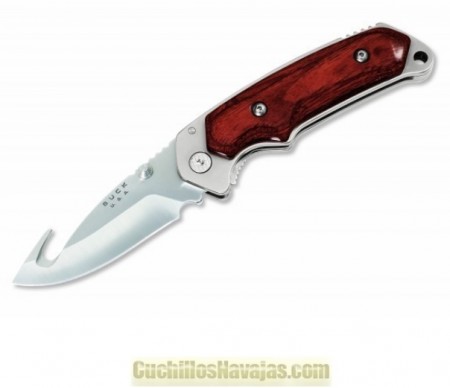
Uses of a Hunting Knife
Hunting knives are very versatile. Here are some of their main uses: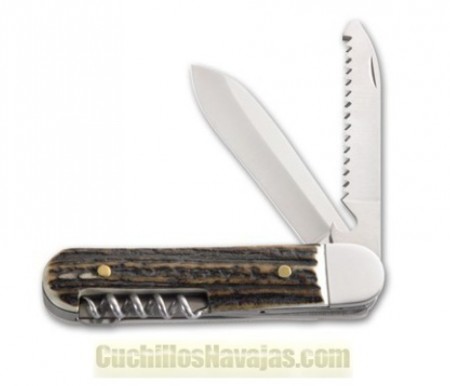
- Skinning and deboning animals: A sharp blade will do a clean and quick job when skinning an animal or separating the meat from the bones. It is important to be careful and use proper techniques.
- Cutting branches and firewood: A sturdy blade will allow you to easily cut branches to make shelter or firewood for the campfire. Just be careful not to damage the trees.
- Lighting a campfire: You can use the back of the blade to create sparks and start a fire. Scrape the blade with flint to create a shower of sparks.
- Cooking: Whether you are cutting vegetables, filleting fish, or skewering meat to roast, a multi-purpose knife will give you versatility in the kitchen.
- Making tools: In a pinch, you can use the knife to make stakes, fishing hooks, or any other improvised tool.
- Self-defense: Although not its primary use, a knife can be used to defend against dangerous animals if absolutely necessary.
As you can see, the versatility of a hunting knife makes it an essential tool for any adventurer. Choose a quality knife carefully and always have it at hand on your outdoor trips. A good knife can get you out of trouble and make your experience much more pleasant. Good hunting!
Unraveling the Perfect Choice: Technical Criteria and Key Features
Choosing the right hunting knife can seem overwhelming, but there are key criteria that make the decision easier. Hunting, that millenary activity that connects us with nature and our most primitive roots, requires not only skill and patience but also the right equipment. And there, at the heart of our arsenal, is the hunting knife, a tool as ancient as it is essential. But how do you know which is the best option with so many on the market? Don’t worry! Here we bring you a complete guide to help you find your perfect adventure companion.
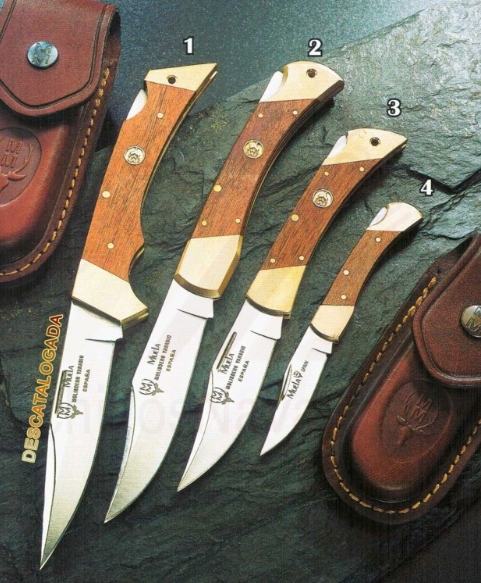
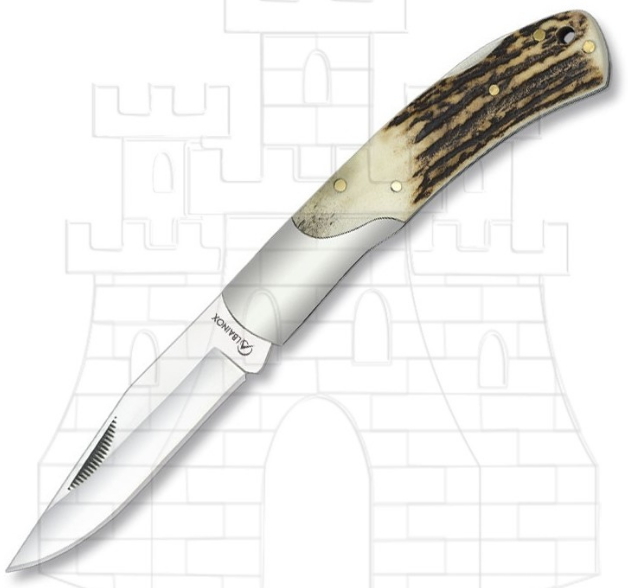
Types of Knives for Hunters: Folding vs. Fixed
Before diving into the specifics, it is crucial to understand the two main types of knives: folding and fixed. Folding knives, with their ability to hide the blade inside the handle, are perfect for those who value portability and safety. On the other hand, fixed knives, with their blade always exposed, offer robustness and greater resistance, ideal for more demanding hunting tasks. They are generally used for skinning smaller hunted animals.
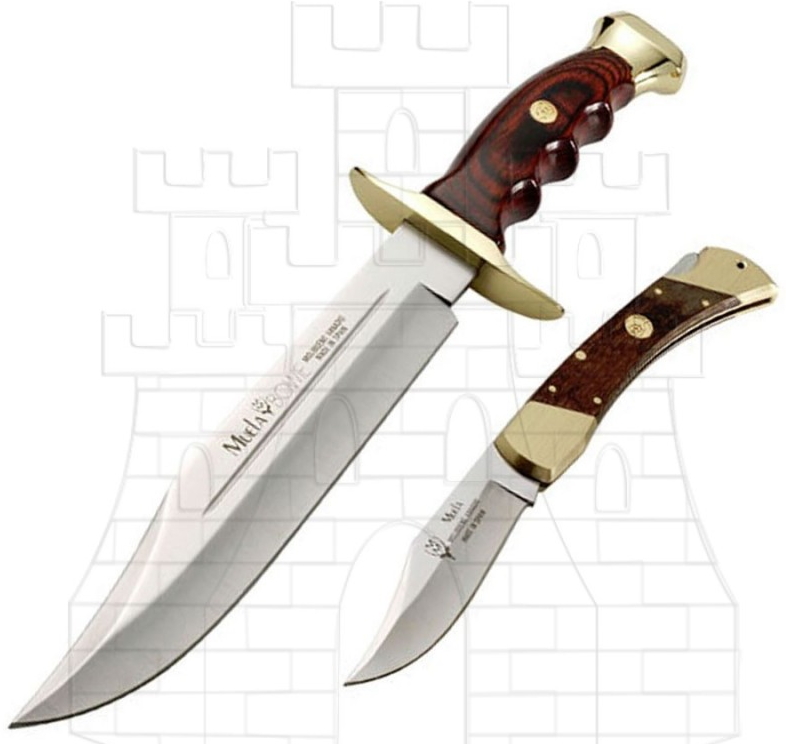
Some hunting knives come together with their respective hunting knife; this duo is often called “kangaroo.” Like the ones we show you below:
Features of a Good Hunting Knife
A quality hunting knife will have the following features:
- Strong and sharp blade: The blade metal must be strong to withstand rough use. The edge must remain sharp for clean and precise cuts. The most common blades are made of carbon steel or stainless steel.
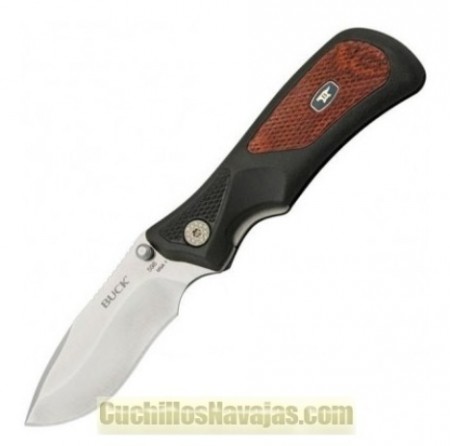
- Comfortable handle: An ergonomic and non-slip handle will give you better control and prevent accidents. Handles can be made of wood, bone, rubber, or composite.
- Protective sheath: A leather or nylon sheath will protect the blade when not in use. This will prevent accidental damage to the blade or your belongings.
- Manageable size: Choose a knife that feels comfortable in your hand and is easy to carry. Folding knives are ideal for keeping in a pocket.
- Multifunctional design: Some knives come with additional tools such as can openers, screwdrivers, or saws. This will give you more utility in your outdoor activities.
Additional Technical Criteria
- Blade Type: Blades can be fixed or folding. Fixed blades are known for their durability and strength, ideal for heavy tasks. Folding blades offer greater portability and safety when carrying, although they are generally not as strong. There are blade designs for specific functions, such as the “clip point” for precise cuts, the robust “drop point” for skinning, or the “tanto” with a reinforced tip for demanding tasks.
- Blade Material: Material is crucial for performance. Stainless steel is popular for its resistance to corrosion and durability, being easy to maintain. There are alloys such as Molybdenum Vanadium steel or Sandvik 14C28N. Carbon steel is known for its durability and ability to maintain a sharp edge, although it requires more maintenance. Other high-performance steels include VG-10, valued for its durability and edge retention, or H-1 steel, resistant to oxidation in humid and salty environments.
- Handle Design and Material: It should be comfortable and safe to hold, allowing a firm grip and precise control. Common materials include wood (such as bocote or olive), plastic, aluminum, bone, and stag horn. Materials such as micarta and G-10 or FRN (Fiber Reinforced Nylon) are also options that provide good grip and resistance. Textured handles or those with finger grooves improve grip, even in wet or slippery conditions.
- Locking Mechanism (for folding knives): Essential for safety, it prevents the blade from closing accidentally during use. It is crucial to become familiar with its operation.
- Size and Weight: It is important to find a balance that allows effective and comfortable handling. A knife that is too large or heavy can be difficult to handle, while one that is too small may not be suitable for certain tasks.
How to Choose the Ideal Knife for Your Hunter Profile
The key is to know your needs. Will your knife be for general tasks or do you need something more specialized? Also, consider maintenance. A good knife should not only be effective but also easy to care for.
Purchase and Use Recommendations According to User Profile
- For the Beginner: If you are just starting out, opt for a medium-sized folding knife with a good locking mechanism and an ergonomic handle. Stainless steel is an excellent option for its ease of maintenance. Prioritize safety and ease of use.
- For the Experienced Hunter: An experienced hunter might look for a high-end fixed knife for more intensive skinning tasks, or a folding knife with high-performance steels such as VG-10 for superior edge retention. The choice will depend on the specificity of their activities.
- For the Occasional Adventurer: If your outings are sporadic, a multifunctional knife with additional tools can be very useful, offering versatility for various situations beyond pure hunting.
Best Brands and Models on the Market
There are brands that have earned the trust of hunters over the years. Brands such as Benchmade, Gerber, and Buck offer models that have been tested in the most demanding conditions, ensuring quality and reliability. The best hunting knives include different Spanish brands such as Muela, Cudeman, Albainox, etc. They are very useful and practical for hunters, being more manageable and lighter.
Keeping Your Faithful Companion: Maintenance and Sharpening
Proper maintenance and constant sharpening are essential to prolong the useful life of your hunting knife and ensure its optimal performance. A well-cared-for knife is a lifelong companion. Keep it clean, sharp, and in good condition. Regular sharpening and proper cleaning after each use will prolong its useful life and ensure its best performance.

Basic Maintenance
- Cleaning: It is essential to clean and dry the blade and handle after each use, especially if it has been in contact with water or blood, to avoid residue buildup and protect the steel from corrosion. A soft, dry cloth or a specific metal cleaner are ideal.
- Protection: Applying a layer of mineral oil or specific knife oils (generally mineral or tungsten-based) to the blade is crucial to create a barrier against moisture and prevent corrosion. It is also recommended to apply a sealer to the handle if it is made of wood or plastic to protect it from temperatures and sunlight.
- Lubrication: The mechanism of folding knives should be lubricated regularly to ensure smooth operation and prolong their useful life, especially in cold conditions.
- Storage: Store your knife in a dry, well-ventilated place at room temperature, avoiding damp basements or garages. Using cases or sheaths made of leather or materials that do not retain moisture, along with dehumidifiers or silica gel bags, offers additional protection. Organizing knives in drawers with dividers also prevents rubbing and damage.
- Periodic Inspections: Check the blades regularly for signs of rust and act immediately if you detect any problems.
Sharpening Techniques
- Frequency: The frequency of sharpening depends on use; if you use it regularly, it is recommended to sharpen it after each hunting trip or at least once every two or three uses. A clear indication is when the knife does not cut as easily or requires more pressure.
- Tools: You can use sharpening stones, electric sharpeners, or steel brushes.
- Method: With sharpening stones, select the appropriate grit (coarse for initial sharpening, fine for finishing) and maintain an angle of approximately 20 degrees between the blade and the stone. Slide the blade gently in the direction of the edge. Electric sharpeners are quick, but should be used with care to avoid overheating. Steel brushes are useful for maintaining the edge between deeper sharpenings.
A Look at Legality: Hunting Knives in Spain
The legality regarding the carrying and use of knives and blades in Spain can be complex, subject to the Regulation of Bladed Weapons. It is vital to understand what is allowed to avoid problems:
Legal Considerations
- Knives and blades that have a single edge, are not automatic, and have a blade less than 11 cm in length are considered legal.
- However, mountain, survival, and finishing knives for big game hunting can be longer than 11 cm, as long as they have a single edge and are used for their intended purpose.
- The length of the blade is the most important factor, along with the number of edges, the type of opening (must be manual), and the shape of the blade (pointed and double-edged blades are usually more restricted).
Prohibited Items
- Automatic knives (that open with a button or pressure).
- Daggers (blades less than 11 cm, double-edged and pointed).
- Concealed bladed weapons, such as canes with hidden blades.
- Knives with blades longer than 11 cm (measured from the end of the handle).
- Double-edged knives.
- Knives with weapon characteristics, designed to cause excessive damage.
There is an exception for non-automatic knives with blades longer than 11 cm: they can be manufactured, marketed, and owned exclusively at home for ornamental and collecting purposes, always with the intervention and approval of the Guardia Civil.
Transport and Consequences
- In car or backpack: You can carry a knife or blade if you are traveling to carry out a sporting or hunting activity and the blade does not exceed 11 cm. It is advisable to return it home once the activity is over. If the blade is longer than 11 cm, you can only transport it from the store to your home or storage place during the 72 hours after purchase, properly packed and with the receipt.
- By train: A knife or blade with a blade longer than 6 cm is not allowed, unless it has been purchased in the last 72 hours, keeping the receipt and in its original packaging.
- By plane: The prohibition is absolute in hand luggage. In checked luggage, it is possible if the blade does not exceed 6 cm.
- Public places: Generally allowed if it complies with regulations, but there may be restrictions in public transport and special events.
Failure to comply with these rules may result in administrative sanctions (fines of up to €300.52 for minor offenses) and, in serious cases such as possession or transport in public places, fines ranging from €300.53 to more than €30,000, and may even result in criminal penalties. Very serious offenses can reach fines of up to €601,012.10, depending on the authority’s criteria.
It is essential to understand that even if a knife or blade is legal, authorities may confiscate it if they consider it a threat to public safety. The regulations seek a balance between everyday use and safety, so it is vital to be informed, use it responsibly, and respect the rules.
Explore, Compare, and Decide: Your Next Hunting Companion
Hunting knives are much more than a simple utensil; they are a historical legacy, a sophisticated technical tool, and a faithful companion in every outdoor adventure. Their versatility, durability, and functionality make them indispensable for the hunter, guaranteeing efficiency and safety in the field.
However, the value of a knife does not lie solely in its manufacturing quality, but in the care and maintenance we give it. Proper sharpening and constant cleaning will prolong its useful life and ensure it is always ready for any challenge. And, of course, a responsible hunter must always be aware of the current legal regulations regarding the carrying and transport of these tools, to ensure their own safety and that of the community.
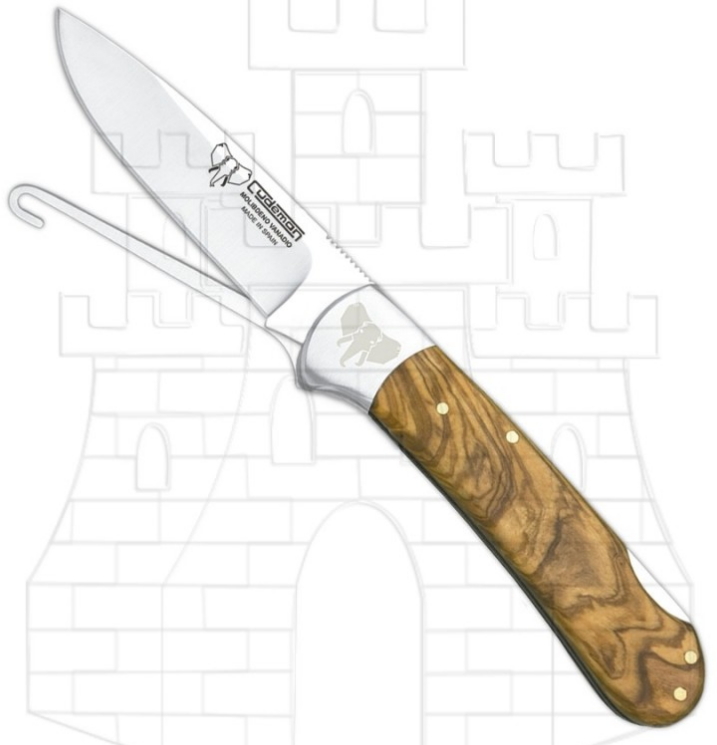
Now that you know the basics for choosing the perfect hunting knife, it’s time to explore your options. Compare different models, listen to recommendations from other hunters, and above all, choose a tool that feels good in your hand and in your heart. Remember, the ideal knife is the one that meets your specific hunting needs, providing you with safety, efficiency, and confidence on every outing. Don’t settle for less. Research, ask questions, and when you’re ready, choose that knife that not only meets your expectations but exceeds them. With the right choice and proper care, your hunting knife will not only assist you in the most demanding tasks but will become an indispensable ally that will accompany and protect you on all your expeditions. Take care of your tool and it will take care of you!