In the world of knife enthusiasts, collectors, and professionals, a sheath is not just an accessory; it’s a crucial extension of the tool itself. Protecting the blade, ensuring safe transport, and allowing quick access are vital functions that a good sheath must fulfill. While traditional materials like leather have dominated for centuries, the arrival of Kydex has marked a true revolution in how we think about protecting our blades.
In this article, we will thoroughly explore Kydex sheaths, from their origins and technical characteristics to their practical applications, including the social perspective of their use and the debates they generate within the community. We will discover why this thermoplastic material has become the preferred choice for protecting tactical, survival, and everyday use knives and pocket knives, and how you can even make your own custom sheath.
1. What is Kydex? A Historical and Technical Overview
Contents
- 1. What is Kydex? A Historical and Technical Overview
- 2. Advantages and Disadvantages of Kydex: A Deep Analysis
- 3. Making Your Own Kydex Sheath: The Art of DIY
- 4. Carry Systems: Carrying Your Kydex
- 5. Kydex Maintenance and Specific Care
- 6. Kydex vs. Leather: A Social and Practical Debate
- Gear Up Your Adventure: Why Kydex is the Smart Choice?
Kydex is a thermoplastic. What does this mean? Basically, it’s a material that can be repeatedly heated to become very malleable. Once hot, if a tool is placed between two pieces of Kydex and pressure is applied, the cooled Kydex will take the shape of that tool, maintaining its contour until heated again. This unique property allows for the creation of custom sheaths with a perfect fit for any knife or pocket knife, ensuring superior retention and quick access when needed most.
Historically, sheaths were made from locally available materials such as leather, wood, or metal, evolving over time based on the technology and needs of each era. Kydex, as a modern material, reflects advancements in design that prioritize both functionality and aesthetics. Its development dates back to 1965 by Rohm and Haas, and it was originally conceived for aircraft interiors due to its durability and fire resistance. However, its thermoforming capability made it ideal for other applications, including the manufacture of cases and sheaths. It has gained massive popularity in the fields of EDC (Everyday Carry), bushcraft, survivalism, and tactical training due to its reliability and superior performance compared to other materials.
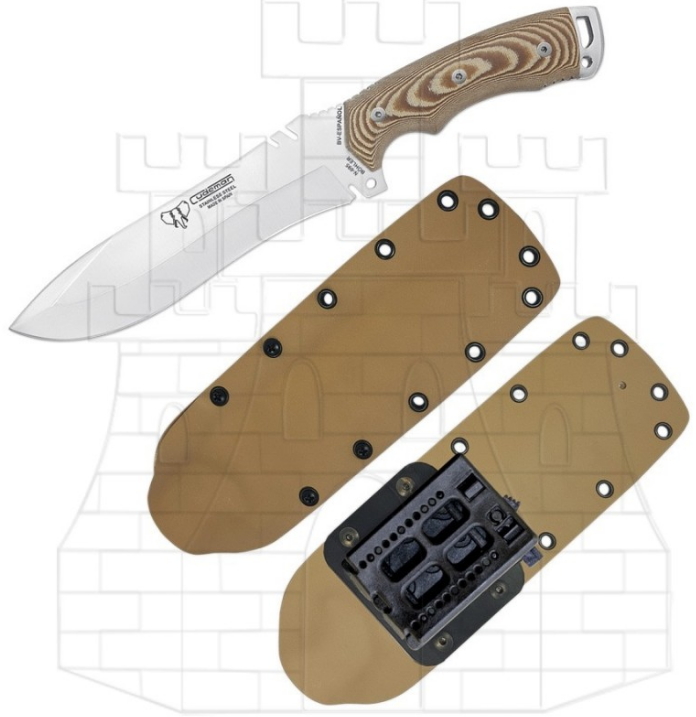
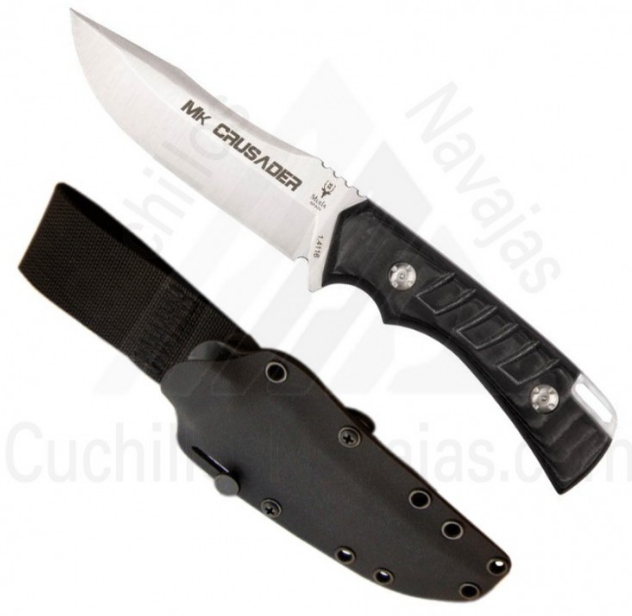
Several tactical knives and pocket knives now come with Kydex sheaths. Kydex is a type of thermoplastic acrylic based on polyvinyl chloride and has a wide variety of applications, including aircraft bulkheads, gun cases, and knife and pocket knife sheaths. It is a polyvinyl acrylic compound designed for thermoforming manufacturing. It combines properties of both acrylic and polyvinyl chloride. From its acrylic aspect, it gains its rigidity and non-deformability; from PVC, its toughness, chemical resistance, and good finish. Thicknesses can range from 0.7 mm to 12.7 mm, allowing it to adapt to various protection and rigidity needs. It can be thermoformed, post-formed, broken, and laminated, offering unparalleled versatility in the design and manufacture of custom sheaths.
2. Advantages and Disadvantages of Kydex: A Deep Analysis
Kydex sheaths have become incredibly popular, and there are very good reasons for this. However, like any material, they have their pros and cons that are important to know before making a decision.
Advantages:
- Superior and Secure Retention: The greatest advantage of Kydex is its ability to securely retain the tool without the need for additional straps or complex systems. Kydex “grips” the knife with precise friction, releasing it only with the application of sufficient force, and it does not lose this ability over time. This active and passive retention is especially valued for trigger protection on firearms, but the same security applies to knives, preventing accidental losses even in situations of intense movement or when inverted.
- Low Maintenance: Kydex sheaths are very low maintenance and do not degrade over time like leather. They do not require oils, conditioners, or special treatments to maintain their integrity. They are extremely easy to clean; a simple damp cloth or even a rinse under the tap is enough to remove dirt, mud, or debris.
- Water and Element Resistance: Kydex is waterproof and resistant to water, chemicals, and extreme environmental conditions, including fluctuating temperatures and exposure to the elements. This makes them ideal for wet, dirty, or marine environments, where leather would quickly rot or deform.
- Extreme Durability: It is a very durable material resistant to wear, impacts, and abrasion. Its inherent rigidity allows it to withstand rough and prolonged use without losing its shape or retention properties, resulting in an exceptionally long lifespan.
- Lightweight: Despite their robustness, Kydex sheaths are surprisingly lightweight. This makes them comfortable to carry for long periods without adding significant bulk or weight to the gear, which is crucial for EDC and outdoor activities.
- Custom Fit: The ability to be molded allows for an exact fit to the knife’s contour and the desired carry style. This not only improves retention but also allows for adjusting the carry angle and draw tension according to the user’s individual preferences, offering a highly personalized user experience.
- Modern and Tactical Aesthetic: They offer a modern, clean, and tactical appearance that appeals to many users, especially those seeking functional and high-performance gear. Additionally, they are available in a wide range of colors and patterns, allowing for greater visual customization.
- Cost-Effectiveness: Although very well-made and customized Kydex sheaths have their price, it is easier to get a good, fitted Kydex sheath for a lower cost compared to a high-quality leather sheath with similar performance. Their long-term durability also reduces the need for frequent replacements, making them a smart investment.
Disadvantages:
- Dirt and Moisture Retention (potential for rust/scratching): Although Kydex is waterproof, its precise fit can trap dirt, dust, and moisture near the blade if not cleaned regularly. This can cause oxidation and scratches on the knife’s surface over time. It is crucial not to store tools long-term in Kydex sheaths without proper cleaning and drying.
- Heat Molding: It requires heat to mold, which can be intimidating for beginners attempting to make their own sheath. Additionally, the Kydex can deform or crack if overheated or exposed to intense heat (such as leaving it in a car in the sun on a hot day), which can compromise its shape and retention.
- Utilitarian Appearance: It may lack the classic aesthetic appeal, tactile feel, and artisanal character offered by leather, which develops a unique patina over time. For some, Kydex may appear “plastic” and less “noble” than traditional materials.
- Finish Wear: Due to its rigid nature and constant friction when holstering and drawing, Kydex can be more abrasive and wear down the knife’s finish over time, especially on coated blades or those with delicate finishes.
- Comfort: Its rigidity can be uncomfortable when carried directly against the body, potentially “digging in” or pressing at certain points, especially in certain carry positions or for individuals with certain body types. This may require an adaptation period or the use of additional padding.
- Condensation: If the sheath is exposed to abrupt temperature changes or moisture becomes trapped inside, it can create condensation, which, as mentioned, can contribute to blade oxidation if not handled properly.
- Noise: The plastic material can produce a slight noise or “click” when manipulating the knife, especially when holstering or drawing, which can be a disadvantage in situations where silence is paramount.
3. Making Your Own Kydex Sheath: The Art of DIY
One of the great advantages of Kydex is that it allows anyone to create custom sheaths with relatively basic tools. It’s a satisfying and practical project that not only provides you with a tailored sheath but also gives you a deep understanding of the material and the thermoforming process.
Basic Tools and Supplies:
For your first sheath, you likely already have many of these tools at home or they are easy to acquire: a knife to mold (the one that will receive the sheath), painter’s tape (to protect the knife and create a tolerance space), a household oven (to heat the Kydex), a Kydex sheet (0.80 thickness, 12×6 inches or double the width of your knife plus one inch, depending on the blade size), 3/4 plywood (approximately 12×12 inches, for the press), dense foam (like camping foam or a yoga mat, 12×12 inches, for molding), tin snips or a robust utility knife (for cutting cold Kydex), a drill with a 1/8 bit (for mounting holes), cordage (for finishes or “stitching”), sandpaper of various grits (for smoothing edges), and, very importantly, a dust mask and safety glasses to protect yourself during sanding. Optional tools that facilitate the process include a heat gun (for touch-ups and edge smoothing) or contact cement to add accessories like internal liners.
Step-by-Step Process (“Taco” Method):
- Prepare the Knife: Wrap your knife with three layers of painter’s tape. This is crucial, as it makes the Kydex sheath slightly larger than strictly necessary, preventing scratches on the blade, allowing a small space for moisture, and facilitating a perfect fit without excessive friction.
- Heat the Oven: Preheat the oven between 250°F and 300°F (120°C and 150°C). The hotter it is, the faster the Kydex will soften, but also the greater the risk of “burning” or permanently deforming it. Ensure good ventilation in the room, as Kydex can give off a peculiar odor when heated.
- Trace the Outline: Place the knife on the Kydex sheet (making sure the smooth side, which will be the inside of the sheath, is facing up) and trace its shape with a pencil or marker, leaving at least a one-inch margin around the blade. Remember you are making a “taco” style sheath, where the Kydex will be folded in half over the spine of the knife.
- Heat the Kydex: Place the Kydex sheet in the oven with the smooth side down (so that if any marks occur due to heat, they will be hidden inside the sheath). Check it frequently; it will be ready when it starts to “drape” significantly when lifted with tongs, showing a flexibility similar to that of a wet piece of leather.
- Mold the Sheath: With heat-resistant gloves, remove the hot Kydex from the oven. Place the smooth side up on one of the foam pieces on the floor or a stable work surface. Place the knife inside the traced outline. Fold the Kydex in half, firmly pushing against the seam with the knife to ensure a good crease. Place the other piece of foam and the plywood on top, and apply uniform pressure with your body weight or with clamps for 10 to 20 minutes for the Kydex to cool and set completely, maintaining the shape of the knife.
- Drill the Holes: Once the Kydex is completely cold and rigid, remove the sheath from the mold. Carefully drill holes along the edge, avoiding the blade area. For standardized clips, 12.7 mm (half inch) or 25.4 mm (one inch) spacings are typically used. These holes not only serve to mount clips but also as drainage points for water and to “stitch” the edges with cordage.
- Trim and Sand: Mark the excess Kydex with a colored pencil and cut it with tin snips or a jigsaw with a fine blade. The most important part is where the Kydex joins the knife handle, as this determines retention. Then, sand the edges to remove roughness and give a smooth, professional finish. Always perform sanding outdoors or in a well-ventilated area and with a dust mask, as Kydex dust is harmful if inhaled.
- Clean and Finish: Fill the sheath with painter’s tape or paper to prevent dust from entering during final sanding. Once finished, clean the sheath with a damp cloth, making sure no residue remains inside that could scratch or dull your knife’s blade. You can use cordage or paracord to “stitch” the holes and lock the edge, adding an aesthetic and functional touch.
Advanced Tips and Modifications:
- Edge Smoothing: Heating the edges with a heat gun can help smooth them like clay, allowing them to be molded and given a more polished finish without excessive sanding.
- Kydex Alternatives: Some experiment with PVC as a cheaper alternative, although it is not the ideal plastic for sheaths due to its lower strength and durability compared to Kydex. It is important to research thoroughly before using alternative materials.
- Internal Protection: To prevent scratches and add oil retention, the inside of the sheath can be lined with felt soaked in mineral oil and wrapped in waxed cloth. However, this requires cleaning the blade before storing it to prevent moisture accumulation.
- Mounting Solutions: The UltiClip UltiPlate plate can be useful if you have trouble mounting a clip on the sheath, offering a wide range of holes and slots for mounting flexibility. Consider adding a set of screws and rubber spacers to secure the clip, especially if the sheath is thick, providing a firmer and more durable fit.
4. Carry Systems: Carrying Your Kydex
One of the great advantages of Kydex sheaths is the versatility of their carry options. They often come with multiple attachment eyelets, frequently spaced at 12.7 mm (half inch) or 25.4 mm (one inch), allowing for the mounting of a variety of clips and loops. It is important to secure the clip with at least two screws and, if necessary, use threadlocker adhesive to prevent them from loosening with intensive use.
For some applications, Kydex is used as a substitute for leather, where it has the advantages of being waterproof, scratch-resistant, better maintaining its shape, not stretching or contracting under normal conditions, and presenting a low level of friction, which facilitates holstering and drawing. This makes it ideal for carry systems that require durability and reliability in any condition.
There are four main styles of clips and loops that adapt to Kydex sheaths:
- Rigid Clips (like Tek-Lok): Popular among professional users, military, law enforcement, and collectors, these clips are made of durable polymer and offer an extremely secure attachment to belts of different widths, as well as to backpack straps or vests. They have a robust locking mechanism to prevent accidental releases and multiple mounting holes that allow the sheath to be carried vertically or horizontally without tilting, keeping the knife firmly in place.
- Grip Clips (like Ulticlip): They are very versatile and have gained popularity for their holding capacity. Unlike traditional clips that require a belt, the Ulticlip attaches firmly to clothing (pants, pockets, jackets) or other materials without needing a belt, although it can also be attached to a belt for added security. They provide a strong grip even on thin fabrics and are adjustable for different carry angles, making them ideal for concealed carry (IWB – Inside the Waistband). Slim models are extra narrow for small, discreet sheaths.
- Flexible Loops (IWB Straps): “Inside-the-Waistband Straps” are specifically designed to carry the knife discreetly inside the waistband of pants. They are adjustable and secure, move with you for greater comfort and flexibility, and allow for vertical carry or horizontal carry on the back, known as “Scout Carry”. This carry style is very popular among bushcraft and survival enthusiasts for its discretion and comfort when sitting or crouching.
- Rigid Clips for MOLLE Webbing (MOLLE Loks): Specifically designed to attach to MOLLE (Modular Lightweight Load-carrying Equipment) webbing on tactical gear, vests, backpacks, and other modular systems. Made of durable nylon or polymer, they secure the sheath even under intensive use and allow easy access during outdoor adventures, military operations, or emergency situations. They can also be attached to a belt for greater versatility.
When choosing a clip, carefully consider how you want to carry the knife (position, whether it will be concealed or exposed, etc.), the attachment options available on your gear, and the intended use of the knife. Ensure there is enough space in the sheath for the clip, sometimes solvable with rubber spacer rings or an UltiPlate to optimize mounting.
In addition to these direct attachment options, Kydex sheaths can be incorporated into other types of sheaths due to their design and material, offering even more versatility.
Types of sheaths by design and materials:
- Belt Sheaths: The most traditional and common, they allow for easy access and can be worn in various orientations (vertical, horizontal, angled) on the belt. They are ideal for quick access and for general-purpose knives.
- Pocket Sheaths: Compact and discreet, often with a clip designed to secure the sheath to the pocket edge, allowing quick access and protecting the pocket from the blade’s edge. They are perfect for small pocket knives or EDC knives.
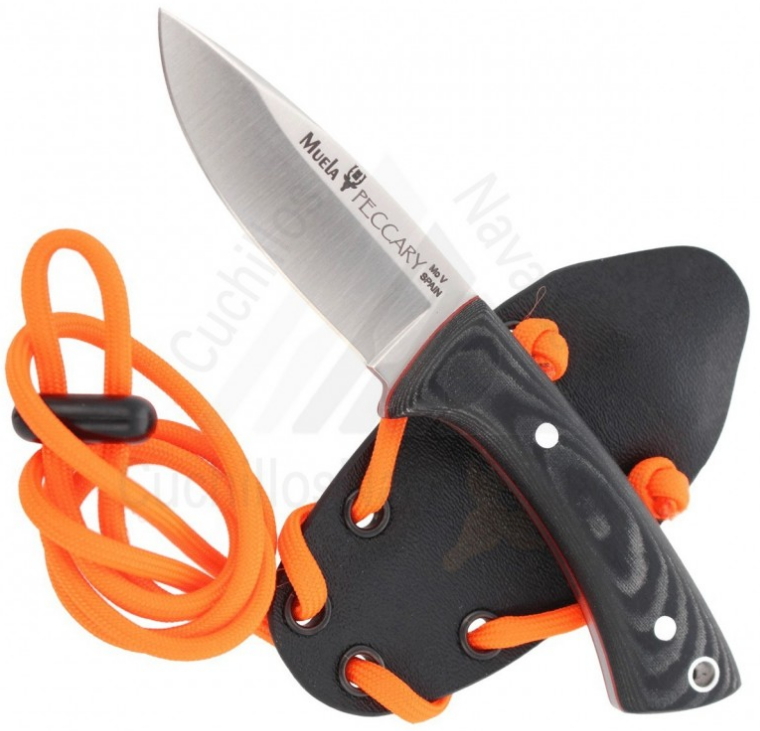
- Neck Sheaths: For small and lightweight knives, they are worn around the neck with a cord or chain, allowing immediate and discreet access in situations that require it. They are popular for backup knives or for outdoor activities where a tool is always needed close at hand.
- Drop-Leg Sheaths: They attach to the belt and tie to the thigh, ideal for quick access in active or tactical environments. Although more visible and bulky, they offer great comfort and stability for larger knives.
- Shoulder Sheaths: Like Galco’s SHUKA accessory, they allow medium to large fixed-blade knives to be carried on the shoulder, with easy and secure access. They are an excellent option for concealed carry of larger knives, distributing weight evenly.
5. Kydex Maintenance and Specific Care
One of the great advantages of Kydex is its low maintenance requirement, which makes it a very practical option for daily use and in demanding conditions. However, some specific care can prolong its lifespan and improve its performance, ensuring your Kydex sheath serves you faithfully for many years.
Basic Maintenance Tips:
- Regular Cleaning: Clean your Kydex sheath with a damp cloth to remove dirt, dust, mud, or debris that may accumulate, especially inside. Avoid using aggressive or abrasive chemicals that could damage the material’s surface or compromise its structure. For a deeper clean, you can rinse it under the tap with warm water and mild soap, making sure to dry it completely afterward.
- Periodic Inspection: Periodically check the sheath for cracks, deformations, or any signs of wear. Pay special attention to the attachment points of clips and screws. If you detect any significant damage that could compromise retention or safety, it is advisable to replace the sheath.
- Avoid Overheating: Although Kydex is resistant, it is not invulnerable to extreme heat. Do not leave your Kydex sheath in extremely hot environments, such as inside a car exposed to direct sunlight in summer, as it can deform and lose its custom fit, compromising the knife’s retention.
An Expert Tip: Silicone Oil
Although Kydex sheaths do not require constant maintenance like leather ones, a simple treatment with silicone oil can greatly improve their properties and prolong their lifespan. This lubricant, commonly used for rubbers and plastics, keeps them lubricated and flexible, and offers a series of additional benefits:
- Water Repellency (Hydrophobic Effect): Silicone oil creates a protective layer on the Kydex surface that makes it water repellent. This means that water droplets simply slide off, and mud or dirt are less likely to adhere to the material’s rough spots, facilitating cleaning.
- Protection and Flexibility: It protects the plastic from degradation by the elements and keeps it flexible, preventing it from becoming brittle over time.
- Silent and Clean: It helps make the sheaths quieter by reducing friction between the knife and the Kydex, minimizing the “click” when holstering and drawing. Additionally, it helps them stay cleaner longer by repelling dirt.
- Joint Lubrication: It lubricates rubber gaskets used with hardware, which can improve the durability of mounting components.
How to Apply:
The process is simple. Remove the knife from the sheath. Shake the silicone oil bottle well and apply a generous layer to the front and back surfaces of the sheath. Then, rub with a paper towel or a clean cloth to remove the excess, paying special attention behind the clip and in areas of greater contact. It is advisable to apply it only to the exterior of the sheath to prevent porous materials like the knife handle’s wood from darkening or staining if the oil comes into contact with them.
Even with this treatment, it is crucial to remember that if water enters through the top of the sheath, it can remain inside. That’s why the drainage holes at the bottom of the sheath are important. If the sheath gets wet, immediately remove the knife, dry it completely, and allow the inside of the sheath to air dry before storing the knife again. For long-term storage, it is always best to store the knife and sheath separately to prevent moisture buildup and possible blade corrosion, especially in humid climates or for carbon steel knives.
6. Kydex vs. Leather: A Social and Practical Debate
The choice between Kydex and leather is a recurring and passionate topic in the knife and firearm user community. Each material has its proponents and detractors, and the “best” option often comes down to personal preference, intended use, and, in many cases, a blend of tradition and functionality. Let’s analyze the key points of this debate:
- Comfort: Kydex, due to its rigid nature, can be less adaptable to the body, which can cause discomfort in certain carry positions or for larger builds, potentially “digging in” or pressing. Leather, on the other hand, is often perceived as more comfortable because it molds to the body over time and becomes more flexible. However, it’s important to note that good quality Kydex sheaths with proper designs, such as the addition of foam wedges or comfort pads, can be surprisingly comfortable and ergonomic, dispelling the idea that all Kydex sheaths are uncomfortable.
- Security and Retention: Kydex is widely praised for its superior, consistent, and active retention. Its precise molding “grips” the knife, preventing it from falling out even in extreme situations. Leather, especially low-quality or poorly maintained leather, can soften and deform over time, which can compromise safety by not holding the knife firmly or, in the case of firearms, exposing the trigger and causing an accidental discharge. High-quality leather sheaths, with reinforced mouths and a good fit, can maintain their rigidity and be very secure, but they require constant care.
- Re-sheathing: The rigidity and predefined shape of Kydex allow for easy and safe one-handed re-sheathing, as the sheath maintains its open shape. This is a significant advantage in situations where the knife needs to be put away quickly and without looking. Loose or collapsed leather can make this action difficult, often requiring the use of both hands.
- Aesthetics and Finish: Kydex offers a modern, clean, and tactical aesthetic, with customization options in colors and patterns. Leather, with its classic, rustic, and timeless look, develops a unique patina and distinctive character over time, which many consider an added value and an expression of craftsmanship. However, Kydex, being harder, can wear down the knife’s finish more than soft leather due to constant friction.
- Durability and Resistance to Elements: A good Kydex sheath will last a long time and resist weather, humidity, chemicals, and rough use without degrading. Poor quality leather will degrade quickly with exposure to humidity and sun, while premium, well-cared-for leather with regular treatments can last over a decade, but requires constant maintenance to preserve its properties.
The Hybrid Solution:
For many, the answer to this debate is not to choose one or the other, but to combine the best of both worlds through hybrid sheaths. These sheaths typically have a rigid Kydex shell that protects the blade and provides secure, consistent retention, combined with a leather (often horsehide for its rigidity and moisture resistance) or neoprene backing that rests against the body for added comfort. This combination offers the safety and durability of Kydex with the comfort and feel of leather, satisfying the needs of the most demanding users.
Ultimately, the choice between Kydex and leather will depend on your personal priorities: are you looking for maximum security and low maintenance, or do you prefer the classic aesthetic and comfort that adapts over time? Both materials have their place and value in the world of knives.
Gear Up Your Adventure: Why Kydex is the Smart Choice?
Kydex sheaths have firmly established themselves as one of the best options for carrying and protecting knives and pocket knives in the modern era. Their incredible durability, water resistance, low maintenance, and, above all, their ability to offer secure retention and a custom fit, make them a superior choice for most users, from the occasional adventurer to the most demanding professional.
Whether you need a sheath for your survival knife in the wilderness, an EDC pocket knife for daily use in the city, or a tactical tool for demanding situations, Kydex offers a robust and reliable solution that will not let you down. While it is true that it may require a period of adaptation in terms of comfort or generate debate with leather enthusiasts, its practical and functional advantages usually tip the scale in its favor, especially when reliability and safety are paramount.
Understanding its characteristics, advantages, and how they are made will allow you to make an informed decision and equip yourself with the right protection for your valuable tool. If you are looking for maximum protection and functionality for your cutting tools, we invite you to explore our selection.