Machete: Multifunctional Tool for Agriculture and Survival
Contents
The machete is a cutting tool with a long history, used in various cultures for multiple purposes. Its design and effectiveness make it an essential implement in agriculture and in survival situations. Over time, the machete has evolved and adapted to different environments. Its use goes beyond the practical, becoming a cultural symbol in different societies.

History of the Machete
The history of the machete is rich and fascinating. Its evolution has been marked by different cultures and their needs throughout the centuries.
Origins of the Machete
The origins of the machete date back to primitive cutting tools that agricultural societies used for daily tasks. This tool is considered to have ancient roots, possibly linked to the human need to cut, harvest, and defend themselves. Its design has been influenced by geography and the environment, adapting to meet the demands of agricultural and combat work.
Historical Evolution
As societies developed, the machete evolved in its forms and functionality. Its historical evolution is manifested through its use in different civilizations and its symbolism in various contexts.
Use in Conflicts
Throughout history, the machete has been used in conflicts and wars. From its participation in the struggle for independence in many Latin American countries to its use in contemporary conflicts, this instrument has been a crucial element of both resistance and terror. In the 19th century, for example, the population of Mexico used machetes as weapons during their struggles for independence against Spanish rule. In more recent times, devastating uses of machetes have been documented during genocides, marking their role in war history.
Cultural Symbolism
The machete has also acquired a deep cultural meaning in various societies. This object is not just a tool; it symbolizes struggle, resistance, and sovereignty. In many cultures, it acts as an emblem of identity and pride. It is associated with rural life and hard work, but also with the defense of communities and cultural heritage. In literature and cinema, the machete has been presented as a symbol of heroism and revenge, evoking deep emotions and reflecting the complexities of human existence.
Characteristics of the Machete
Machetes are tools that stand out for their functional design and adaptability. Each characteristic of the machete contributes to its effectiveness in different contexts and uses.

Blade Design
The blade design is fundamental to the effectiveness of the machete. The shape and size of the blade are designed to optimize performance in various tasks.
Materials Used
Generally, machete blades are made of stainless steel or carbon steel. These materials are chosen for their strength and ability to maintain an edge. While stainless steel is less prone to corrosion, carbon steel allows for a sharper and more durable edge.
Size and Shape
The length of the blade varies, being between 30 and 60 centimeters, which allows selecting the ideal machete according to the task to be performed. The shape, which typically features a curved front, facilitates precise and effective cuts. The width of the blade, which ranges from 3 to 8 centimeters, contributes to its ability to cut fibrous and resistant materials.
Types of Machetes
The diversity of machetes is reflected in the different configurations that exist in the market, adapted to specific purposes and diverse regionalities.
Traditional Machetes
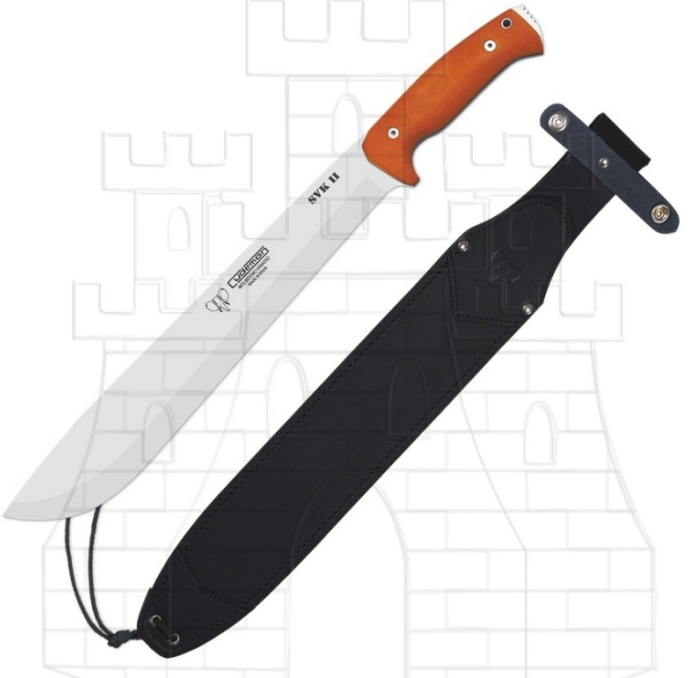
Traditional machetes have been used for generations by farmers and rural workers. These tools are characterized by their robust construction and their ability to perform cutting tasks in the field. Often, traditional versions feature ornamental details that reflect local culture.
Regional Variants
The regional variants of the machete are numerous and each is designed to meet specific requirements depending on the environment where it is used. Examples include:
- Filipino Bolo: With a blade widened towards the tip, it is commonly used in the Philippines.
- Indonesian Golok: With a shorter and thicker blade, ideal for cutting dense vegetation in jungles.
- Panga: Used in East Africa, it is characterized by its wide and blunt blade.
- Guatemalan Corvo: Designed specifically for sugarcane and for personal defense.
Each variant maintains the essence of the machete but adapts to the needs of those who use it, reflecting the culture and agricultural practices of the region.
Uses of the Machete
The versatility of the machete is reflected in its multiple applications in various fields. Its design and functionality make it an essential tool in everyday and extreme situations.
In Agriculture
The machete is widely used in agriculture, where it plays a crucial role in various tasks. Its ability to make precise cuts makes it an indispensable ally for farmers.
Harvesting Techniques
During harvesting, the machete allows for products such as sugarcane and other robust-stemmed crops to be obtained. Farmers employ specific cutting techniques to maximize efficiency and minimize damage to remaining plants.
- The use of fluid and controlled movements ensures that plants are harvested properly.
- The length of the machete blade makes it easy to reach different heights, optimizing harvest time.
- Its weight allows for the necessary force to be applied without much effort, something essential during long working days.
Land Maintenance
The machete is also essential in the maintenance of agricultural land. It is used for weeding and pest control. Its design allows for cutting weeds and unwanted herbs with ease.
- Farmers often clear areas to promote healthy growth of cultivated plants.
- It is common to see machetes used to clear paths and aisles within crops.
In Survival
In survival situations, this tool acquires an essential role, facilitating the obtaining of indispensable resources for life in nature. Its cutting capacity allows for various activities crucial for survival.
Camping and Outdoor
During outdoor activities, such as camping, the machete is vital for building shelters and obtaining firewood. Its robustness allows it to face difficult conditions.
- It is used to cut branches and logs, essential for starting fires.
- In shelter construction, it is used to shape structures with great precision.
Personal Defense
In dangerous situations, the machete can serve as a personal defense tool. Its weight and size provide an advantage in critical situations, in addition to being a symbol of resistance in various cultures.
- Its use in defense contexts has not gone unnoticed, becoming a resource for those who feel threatened.
- However, it is essential to remember the importance of responsible and safe use in these situations.
Machetes and Popular Culture
The representation of the machete in popular culture has evolved, becoming a symbol of power, resistance, and, at times, violence. This implement not only reflects the daily lives of many communities but has also found its place in cinema and literature.
Machete in Cinema
Cinema has been a powerful medium to popularize the machete, bringing it to the screen in various forms and meanings. Films have gone beyond showing its practical utility, incorporating the machete as a dramatic and symbolic element.
Machete Movie
Released in 2010, “Machete” is an action film directed by Robert Rodriguez. The film features Machete Cortez, a former federal agent embodied by Danny Trejo, who seeks revenge after being betrayed. The narrative blends social criticism and entertainment, showing the machete as a symbol of resistance against oppression and injustice. This film not only entertains but also invites reflection on issues such as immigration and the struggle for human rights.
Machete Kills
The sequel, “Machete Kills,” released in 2013, continues Cortez’s story, leading him to confront a drug lord and a global threat. This film expands the use of the machete not only as a fighting tool but also as a cultural emblem that challenges social and political norms. The exaggerated action and dark humor characterize both films, solidifying the machete as an icon in contemporary action cinema.
Representation in Literature
The machete has also found its place in literature, where its symbolism and profound meaning have been explored through various narratives. From folk tales to contemporary works, the machete is a recurring protagonist.
Mythology and Folklore
In many cultures, the machete appears in myths and legends, often linked to heroes and warriors. It is considered a symbol of struggle and resistance in the face of adversity. In folk literature, power is attributed to those who wield it, reflecting its importance in cultural practices and rituals. These stories highlight the connection between characters and their environment, using the machete as a tool for overcoming and survival.
Modern References
In contemporary literary works, the machete is represented in varied contexts, ranging from urban life to complex social issues. Current authors use the machete as a symbol of identity and resistance against oppression. Through these narratives, not only the physical aspect of the machete is exposed, but also the stories and struggles they represent, revealing the cultural impact it has on modern societies.
Machetes in the Market
Machetes are highly sought-after tools, with a variety of options that suit different needs. From agricultural models to implements for defense, the market offers multiple alternatives to choose the best machete according to its intended use.
Buying Machetes: Tips
When selecting a machete, it is essential to consider several factors that can influence the purchase decision. Choosing the right machete is crucial to ensure its functionality and safety.
Featured Brands
There are several recognized brands that stand out for their quality and durability in the manufacture of machetes. Some of them include:
- Third
- K25
- Puma Tec
- Martínez Albainox
These brands are recognized in the market for offering products that meet high quality standards, and their models are designed for various uses, guaranteeing good performance in the field or in camping activities.
Price Comparison
The price of machetes can vary considerably depending on their quality, size, and materials. The price range is wide, from economical machetes that cost around 13 euros to premium models that can exceed 140 euros. It is advisable to evaluate the intended use to choose an option that fits the budget and specific needs.
Machete Accessories
Accessories are an important part that complements the use of machetes. Having the right accessories not only improves the functionality of the machete but also ensures better care and maintenance.
Sheaths and Protection
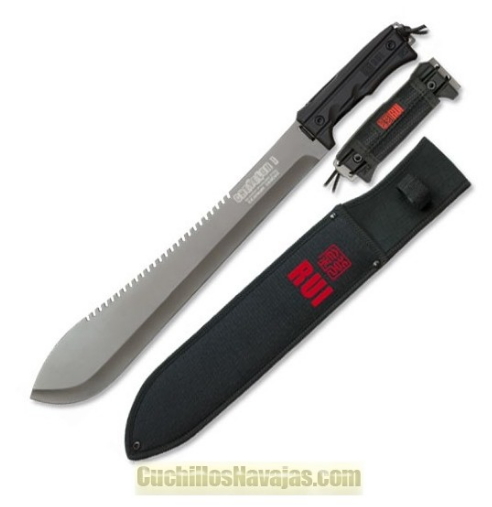
Sheaths are essential for storing and transporting a machete safely. Preventing accidental cuts and keeping the blade in optimal condition are key benefits of using a sheath. Sheaths can be made of different materials, from leather to nylon, offering adequate protection and variability depending on the machete model.
Sharpeners and Maintenance
Machete maintenance is fundamental to ensure that its performance is maintained over time. Specific sharpeners for machetes can help keep the edge in perfect condition, facilitating cutting tasks and ensuring user safety. It is advisable to sharpen regularly to avoid premature wear of the blade.
Safety in the Use of Machetes
Safety is a fundamental aspect to consider when using a machete. Given its nature as a cutting tool, it is vital to follow certain guidelines to prevent accidents and ensure proper handling.
Safe Use Guides
Protective Equipment
The use of a machete without adequate protection can result in severe injuries. It is essential to have personal protective equipment that includes:
- Work gloves: Help protect hands from cuts and abrasions, providing a better grip.
- Safety glasses: Prevent flying particles or material detachments from damaging the eyes during use.
- Appropriate footwear: Closed and resistant footwear is essential to protect feet from possible falls or blows.
- Long-sleeved clothing: Recommended to avoid skin cuts and offer slight additional protection.
Handling Techniques
Proper handling techniques are essential for the safe use of the machete. Behaviors to follow include:
- Always cut away from the body: This practice reduces the risk of personal injury in case the machete slips or is used incorrectly.
- Use a firm stance: Keeping your feet well planted and ensuring you are balanced while working increases stability.
- Take breaks: It is advisable to rest occasionally to avoid fatigue, which can lead to miscalculations and accidents.
- Inspect the machete: Before use, check that the blade is sharp and free of damage, which avoids the need to exert excessive force when cutting.
Accident Prevention
Clear Spaces
Using a machete in cluttered or crowded areas can lead to accidents. To prevent them, you should work in clear and well-lit spaces, where you have visibility and control over the environment. It is advisable to clear the area of objects or people that could become obstacles or potential risks during the use of the machete.
Responsible Practices
Responsible use is also key to preventing accidents. Practices such as the following should be followed:
- Do not leave the machete unattended: Storing it properly after use is critical to prevent others from accidentally getting injured.
- Educate others: It is important to inform people in the environment about the dangers associated with the use of the machete and the safety measures that should be adopted.
- Store safely: The machete should be stored in a safe place, preferably in a sheath or protector, to prevent accidents when handling it.