When we talk about tools that combine efficiency and portability, multi-purpose knives and multi-tools are, without a doubt, the queens of versatility. Are you planning an outdoor getaway, a DIY project at home, or simply looking for an ally for your daily life? Choosing the right tool can seem overwhelming given the multitude of options, but don’t worry! In this article, we will break down everything you need to know to find your perfect companion.
—
What is a Multi-Purpose Knife and a Multi-Tool?
Contents
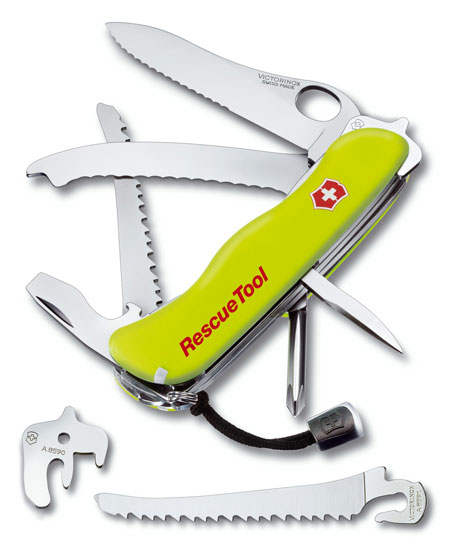
Although often used interchangeably, there is a key difference. A multi-purpose knife is a compact tool that integrates multiple functions, generally centered around a main knife blade, along with screwdrivers, bottle openers, scissors, etc. They are lightweight and functional, perfect for daily use or light outdoor activities. Classic knives, like the iconic Victorinox, are an excellent example.
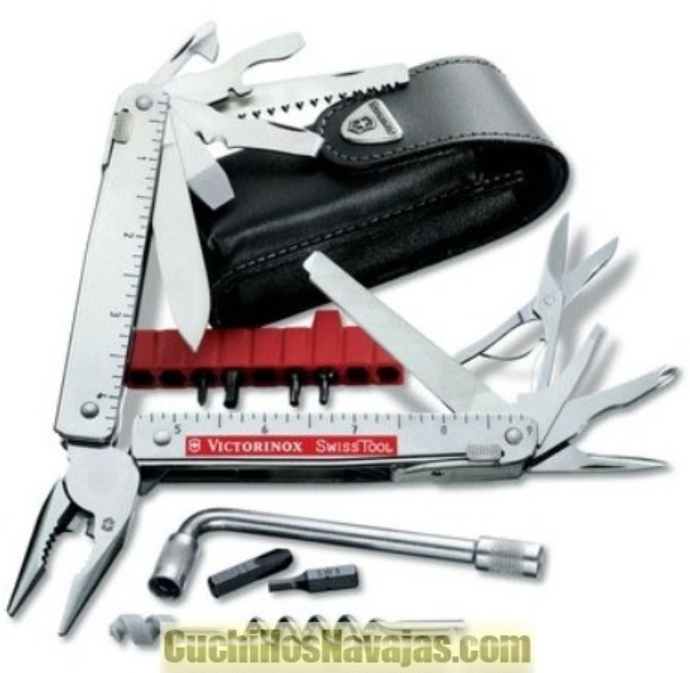
On the other hand, multi-tools go a step further. While they also combine the functionality of a knife with other tools, their great benefit and distinguishing feature are the pliers. In fact, the original idea for the Leatherman multi-tool arose from the need to have pliers along with other functions in a pocket-sized format. They are perfect for activities that require practical and complete solutions, although they are usually more bulky.
—
A Look at History: Older Than You Think
Did you think multi-purpose knives were a Swiss invention? Surprise! Although Switzerland popularized the concept and gave its name to the famous “Swiss Army Knife” thanks to Karl Elsener and his company Victorinox since 1891, the true history takes us much further back in time. The oldest known multi-purpose knife specimen dates back more than 2,000 years, around 200 AD, in the Roman Empire. This luxury object, made of silver with an iron blade, included a spoon, fork, awl, nail cleaner, and a mini ear spoon, demonstrating that the need for compact tools is as old as civilization itself.
—
Types for Every Need
There are diverse categories to adapt to countless activities and preferences:
- Classic Knives: They are compact, practical, and have basic tools. Ideal for daily use or outdoor activities that are not extremely demanding.
- Tactical Knives: Designed for more demanding situations, they often include saws, survival tools, or even flashlights, offering greater strength and versatility in extreme conditions.
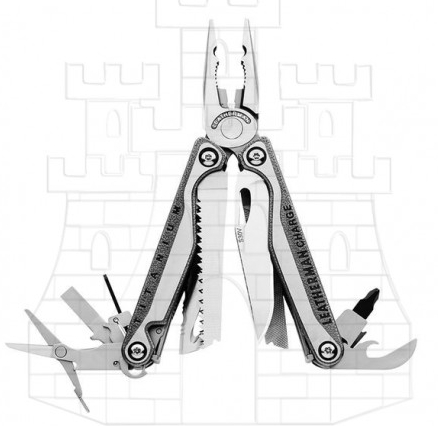
- Multi-tools: They stand out for the inclusion of pliers, wire cutters, and screwdrivers, being very robust and reliable. Brands like Leatherman offer models like the Charge Plus with 19 tools or the Crunch with folding and lockable pressure pliers.
- Specialized Models: Manufacturers have created knives with specific implements for professions or hobbies, such as military personnel, firefighters, fishermen, explorers, or campers.
—
Advantages of Carrying a Multifunctional Companion
The popularity of these tools is no coincidence. Their benefits are multiple and highly valued:
- Versatility: They allow you to perform an infinite number of tasks with a single tool, from cutting ropes and opening packages to repairing equipment or adjusting screws.
- Time and Space Saving: By having multiple tools in one device, you don’t need to constantly switch from one to another, which optimizes your time. Additionally, they reduce the need to carry a bulky set of tools, taking up very little space in your pocket or gear.
- Portability: Their compact design makes them incredibly easy to transport. You can carry them in your pant pocket, on your belt, in a case, or even on your keychain, ensuring you always have a solution at hand.
- Strength and Durability: Quality tools are designed to last for years, even in demanding conditions. Their stainless steel blades and handles made of resistant materials (such as aluminum or high-quality polymers) ensure a good grip and corrosion resistance. Investing in quality is a long-term investment that prevents unexpected failures.
—
What Can You Use Them For? Practical Applications
The usefulness of multi-purpose knives and multi-tools extends to almost any area:
- Field Work and Adventure: Indispensable for hiking, camping, and hunting. They allow you to cut ropes, open cans, repair equipment, and more. Some even include compasses or fire starters.
- Manual Work and Construction: Ideal for cutting wires, adjusting screws, or performing quick maintenance and repair tasks without needing to switch tools.
- Home and Gardening: From opening boxes and fixing small appliances to pruning plants or cutting vegetables.
- Office and Everyday Carry (EDC): They simplify daily tasks like opening packages, cutting paper, or adjusting screws. Their compact design is perfect for carrying them in your bag or desk drawer. The Leatherman PST multi-tool, for example, was designed as a “Pocket Survival Tool.”
They are also capable of working with a variety of materials:
- Wood: For cutting or adjusting pieces, doing small carpentry jobs, or removing nails.
- Metals: Useful for cutting metal wires or adjusting components.
- Plastics: Ideal for cutting or modifying plastics in packaging or DIY projects.
- Textiles and Ropes: Excellent for quick cuts of twine, bandages, ropes, or any fabric.
- Packaging Materials: They allow you to efficiently open boxes, cut tapes, and handle other packaging materials.
Compared to utility knives, folding knives (and by extension, multi-tools) offer greater blade durability, are more compact and lighter, and more resistant for demanding tasks like cutting hoses or tubes. Utility knives are very cheap, come extremely sharp, and are excellent for shallow and repetitive cuts, but they are bulkier, less durable, and their blades can have play. A multi-tool offers even greater versatility by incorporating functions that a folding knife or a utility knife do not have.
—
Keys to Choosing the Perfect Knife or Multi-Tool
With so many options, how do you choose the right one? Here are the key points:
- Define the Purpose: Before buying, think about how and where you will use it. Do you need a basic tool for everyday tasks or a specialized model for mountaineering and survival?
- Consider Size and Weight: If you’re going to carry it with you on long hikes, look for a light and compact model for greater portability. A knife that’s uncomfortable to carry is a knife that will stay at home.
- Quality and Materials: Make sure the blade is made of stainless steel to resist corrosion and that the handle is ergonomic and resistant, such as aluminum or high-quality polymers. This ensures durability and a good grip.
- Select the Necessary Tools: A good main blade is essential. Other common and very useful tools include can openers, bottle openers, scissors, wood saws, and screwdrivers. For the more adventurous, there are models with compasses, fire starters, or seatbelt cutters.
- Research Before Buying: Read reviews from other users and, if possible, try the knife to make sure it’s comfortable to hold and easy to access the tools.
- Price and Value: With hundreds of options, there will always be a multi-tool that fits your budget, from economical models to premium options with high-quality steels.
—
Maintenance for a Long Life
To ensure your knife or multi-tool accompanies you for many years, it is crucial to give it proper maintenance.
- Regular Cleaning: After each use, especially if it has been exposed to dirt, sand, or salt water, clean your tool. Open all blades and tools and rinse it with warm water and mild soap. Use a small brush (like an old toothbrush) and toothpicks to reach all crevices and pivot points. Be sure to dry it very well, paying special attention to the joints to prevent oxidation.
- Lubrication: Apply a small amount of mineral oil or a specific knife maintenance oil to the pivot points. This ensures that the tools move smoothly and protects against corrosion.
- Beware of Oxidation: Although most are made of stainless steel, it is important to remember that this material fights rust, but is not completely immune to corrosion. If rust appears, you can remove it with lubricating oil and a wire brush or steel wool, followed by cleaning and re-oiling.
- Sharpening: The edge of your tool will need to be sharpened over time, depending on use. Smooth blades are easiest to sharpen with small sharpening stones and the correct angle (between 30 and 40 degrees). Serrated blades are more difficult and require round or conical sharpening rods to sharpen each serration individually. Wire cutters and saws may also require sharpening with specific rods. If you don’t have experience, consider taking it to a professional for combined or serrated blades.
Ultimately, both multi-purpose knives and multi-tools are much more than simple tools; they are reliable companions that will help you face any challenge with greater confidence. Their efficiency, compact design, and versatility make them an invaluable resource for home, work, and, of course, all your adventures.
Do you want to see the best MULTI-PURPOSE KNIVES to accompany you on your next adventure? Don’t miss our selection!