Did you know that a good onion knife can cut in half the time you spend preparing vegetables? If you enjoy cooking and seek precision, safety and speed, this article is for you. Here you will find everything about the onion knife: what it is, how to choose it, onion cutting techniques, maintenance, sharpening and clear comparisons to help you make the best decision.
What an onion knife is and why it is indispensable
Contents
- What an onion knife is and why it is indispensable
- Parts of the onion knife: understanding its anatomy
- Materials and steel quality
- How to choose the perfect onion knife
- Onion cutting techniques: precision and safety
- Daily maintenance and best practices
- Sharpening and tuning: practical techniques
- Common problems and solutions
- Comparative table of onion knife types
- How to test a knife before buying
- Myths and truths about the onion knife
- Safety tips with the onion knife
- Final recommendations and next steps
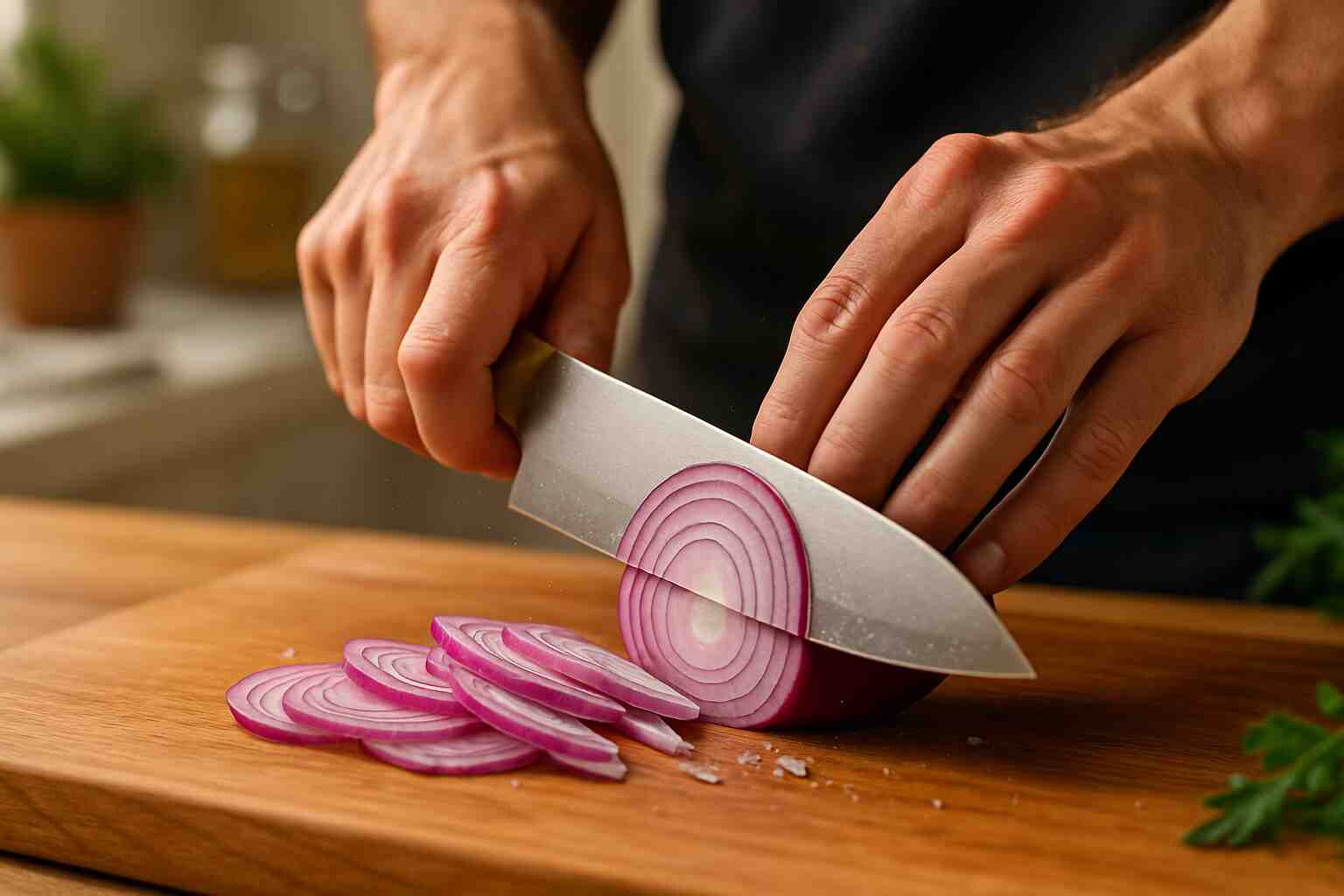
The onion knife is a kitchen tool specifically designed for cutting vegetables, particularly onions. It has a shaped blade that enables clean, continuous cuts. It is ideal for home cooks, professional chefs, culinary students and anyone who enjoys cooking.
The shape of its blade provides excellent cutting properties, so the edge penetrates the onion easily and keeps its sharpness. Its handle is usually ergonomic so the hand can move quickly to achieve thin, even cuts.
Parts of the onion knife: understanding its anatomy
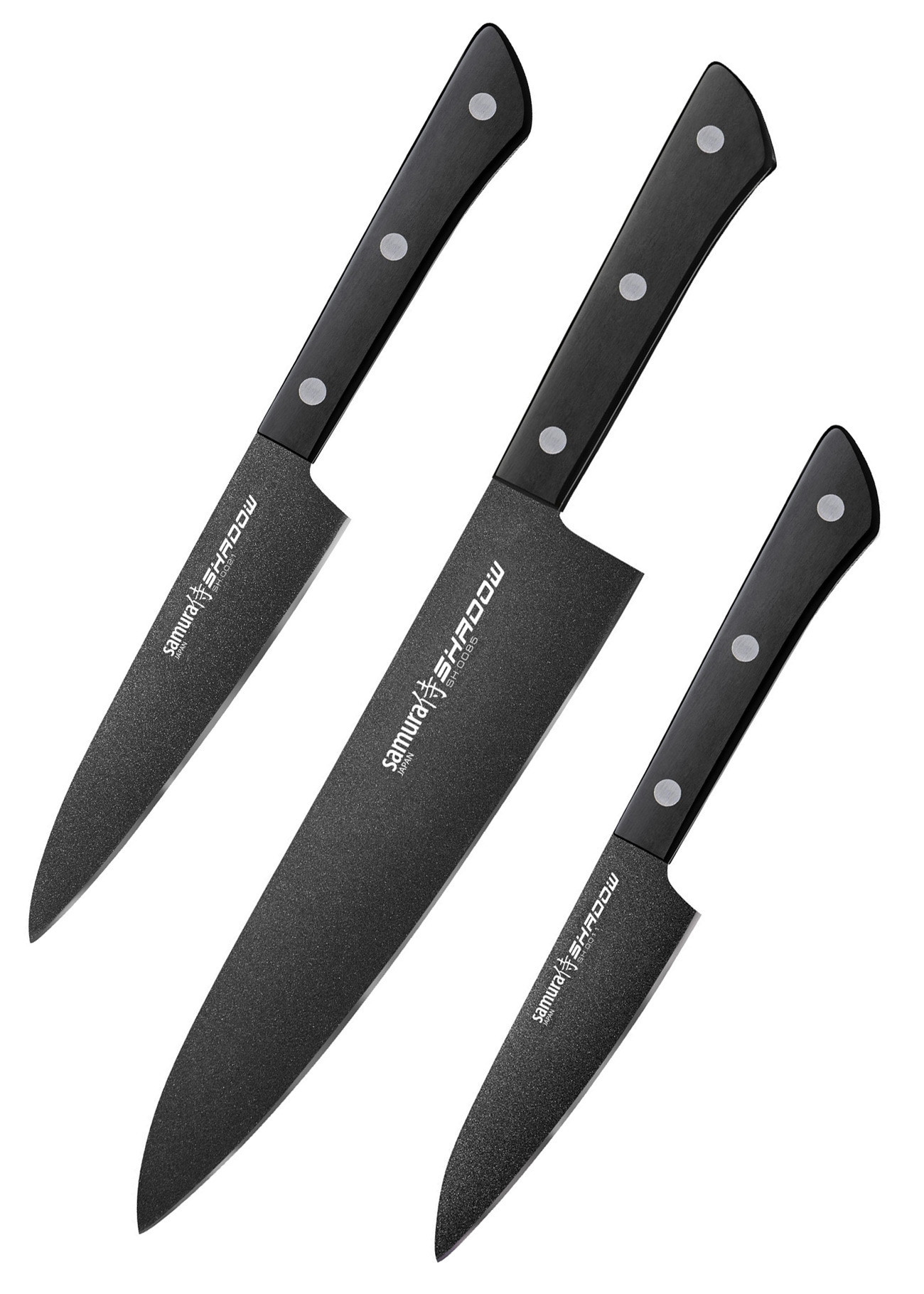
Knowing the parts of the knife helps you choose well and maintain it. These are the most important:
- Blade: length, curvature and steel type determine how the edge behaves.
- Sharpening: the bevel angle and blade finish affect edge longevity.
- Handle: ergonomics, material and balance with the blade influence comfort and safety.
- Pommel or butt: can add balance and style.
Blade types and their impact when cutting onion
Straighter blades with a slight curve allow back-and-forth cuts, perfect for slicing onions. Blades with a pronounced belly favor rocking motions. For onions, the most common and practical choice is a 15 to 20 cm blade with moderate curvature.
Materials and steel quality
Blade material determines edge retention, ease of sharpening and corrosion resistance. Common options include:
- Stainless steel: stain-resistant and easy to care for. Ideal if you want low maintenance.
- Carbon steel: excellent edge retention and easier to sharpen, but requires more care against rust.
- Damascus steel: layered construction for superior aesthetics and a good balance of hardness and flexibility.
Tip: for an onion knife intended for frequent use, a good-quality stainless steel with a higher carbon content or a heat-treated carbon steel offers the best balance between edge and care.
How to choose the perfect onion knife
When choosing, consider these characteristics:
- Size: 15-20 cm for versatility.
- Weight and balance: the knife should feel balanced between handle and blade.
- Handle: non-slip and ergonomic, preferably with a secure connection to the tang.
- Factory edge: look for a consistent, well-balanced edge.
If you are starting out, a model with a fiber or stabilized wood handle and a stainless steel blade is a good option. For professionals, carbon steels or high-alloy steels offer an advantage in edge retention.
Handle: materials and ergonomics
Common materials are wood, synthetic fibers (G10, POM) and steel. The choice depends on how you will use and maintain the knife. An ergonomic handle reduces fatigue when cutting and improves safety.
Onion cutting techniques: precision and safety
Mastering onion cutting improves speed and presentation. Here are useful techniques:
Julienne cut
1. Cut the onion in half from root to tip. 2. Peel and place the half with the root perpendicular to the board. 3. Make parallel cuts without cutting through the root. 4. Turn and cut perpendicular to obtain strips. The onion knife, with its edge and balance, makes this process faster and safer.
Dicing (brunoise)
1. Make julienne cuts first. 2. Gather the strips and cut perpendicular to obtain fine dice. For brunoise, a very sharp edge makes the difference.
Slicing
For thin slices use smooth, controlled back-and-forth motions. Keep the tip of the blade in contact with the board and use the knife’s balance to glide the edge.
Daily maintenance and best practices
A well-cared-for knife lasts for years. Basic rules:
- Wash by hand with warm water and mild soap. Avoid the dishwasher.
- Dry immediately to prevent stains or corrosion.
- Use a wooden or polyethylene cutting board; avoid hard surfaces like ceramic or stone.
- Store it in a sheath, on a magnetic strip or in a block to protect the edge.
Avoid cutting bones or inappropriate materials that damage the edge. The onion knife is for vegetables and precise kitchen tasks.
Sharpening and tuning: practical techniques
Keeping the edge is key. The difference between sharpening (restoring the bevel) and maintenance honing (aligning the edge):
- Honing: with a honing rod or strop you align the edge. Do it frequently, even before each use.
- Sharpening: when honing is no longer enough, use whetstones (grits 400-600 for repairs, 1000-6000 for finishing) or a more abrasive ceramic rod. Professionals may use a sharpening machine with care.
Quick step-by-step for sharpening on a stone: 1) Moisten the stone. 2) Place the blade at a 15-20° angle depending on the knife. 3) Slide with even pressure along the stone. 4) Repeat on both sides and finish with a fine-grit stone. 5) Hone on a rod and test the cut on paper.
Common problems and solutions
- The knife dulls quickly: check the steel type and how often you use it. Increase daily honing.
- Rust on carbon steel: dry well, apply a thin layer of food-grade oil and store in a dry place.
- Loose handle: take it to a professional for adjustment or consider replacing the handle if repairable.
Comparative table of onion knife types
| Type | Blade length | Material | Main advantage |
|---|---|---|---|
| Classic onion knife | 15-18 cm | Stainless steel | Low maintenance and versatile |
| Professional onion knife | 18-22 cm | Carbon or alloy steel | Edge retention and precision |
| Forged-blade onion knife | 16-20 cm | Damascus or forged | Durability and aesthetics |
Practical comparison: what to choose depending on your use
If you cook a few times a week and want easy maintenance: a 16 cm stainless onion knife with a synthetic handle will be enough. If you cook daily or professionally: prioritize edge retention and ergonomics, possibly a carbon steel with good heat treatment.
Accessories that extend the life of the onion knife
- Honing rod or handheld sharpener: for daily maintenance.
- Set of stones: for deeper sharpening.
- Sheath or knife case: for transport and safety.
- Magnetic strip or block: safe and practical storage.
How to test a knife before buying
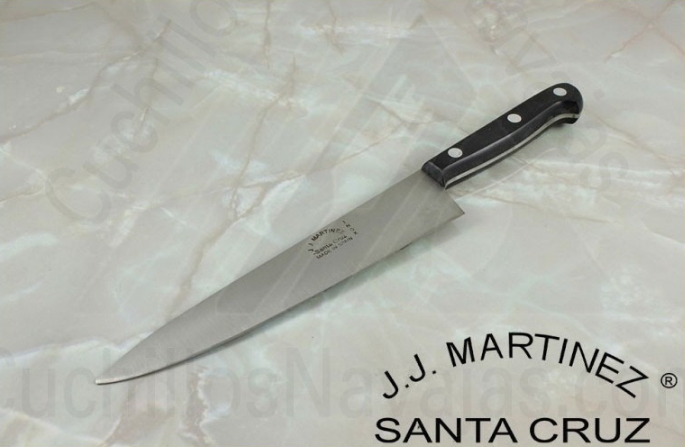
If you can, hold the knife in the store. Test its balance and how it fits your hand. A good exercise is to simulate the cutting motion and check that the tip doesn’t feel heavy. If you buy online, review dimensions, materials and return policies.
Key questions before buying
- What is the blade material and its heat treatment?
- Is the handle comfortable and non-slip?
- Does it offer a warranty or after-sales service?
- Does the brand have a reputation in cutlery?
Myths and truths about the onion knife
There is confusion about which knife to use for which task. Let’s clarify a few points:
- Myth: an expensive knife always cuts better. Truth: price may reflect materials and finish, but ergonomics and maintenance matter as much as cost.
- Myth: a honing rod sharpens. Truth: a honing rod realigns; to sharpen you need a stone or abrasive system.
Safety tips with the onion knife
- Keep your fingers tucked and the hand holding the onion in a claw grip.
- Always cut on a stable surface and an appropriate board.
- Do not attempt to repair the edge with inappropriate tools; seek a professional if needed.
Final recommendations and next steps
The onion knife is a central piece in the kitchen. Choose according to your use, care for it and learn cutting techniques to get the most out of it. With regular maintenance and correct technique, it will help you work faster, safer and with better presentation. If you want to expand your collection, consider adding a chef’s knife and a quality peeler.