Diving into the world of cutlery inevitably brings you across one omnipresent, fundamental term: the type of steel. Among the wide range of alloys, 440 steel has earned a place of honor for its balance and reliability. Knives from the Steel 440 brand, designed in Spain, have capitalized on the virtues of this material to offer a line of cutting tools noted for their performance, durability and traditional aesthetics.
If you are considering buying a hunting knife, an everyday pocketknife or a sturdy piece for your outdoor trips, you have likely come across this brand. In this complete guide, we break down everything you need to know about Steel 440 knives, from the technical properties of the steel to how to choose the perfect model for you.
What Exactly Are Steel 440 Brand Knives?
Contents
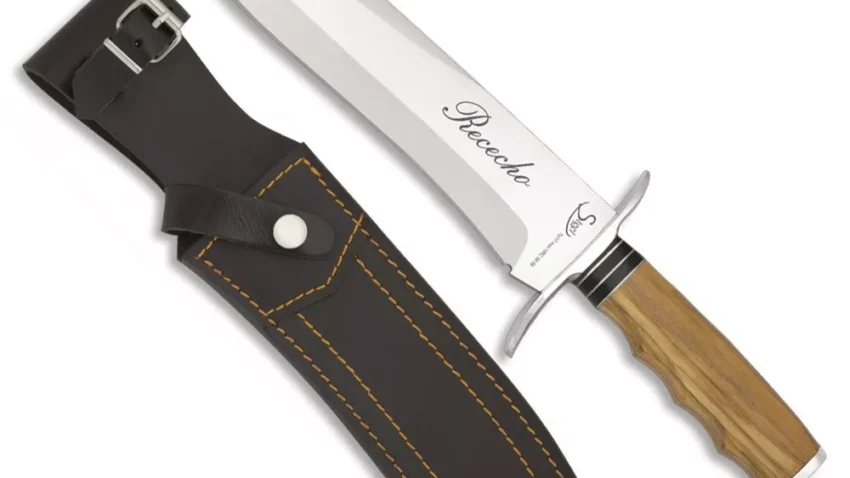
More than a traditional single-factory brand, “Steel 440” refers to a curated selection of knives and pocketknives whose common and main selling point is the use of 440 stainless steel for their blades. These pieces, with a distinctive Spanish design, are intended to meet the demands of hunters, nature enthusiasts and collectors seeking a functional tool without an exorbitant price.
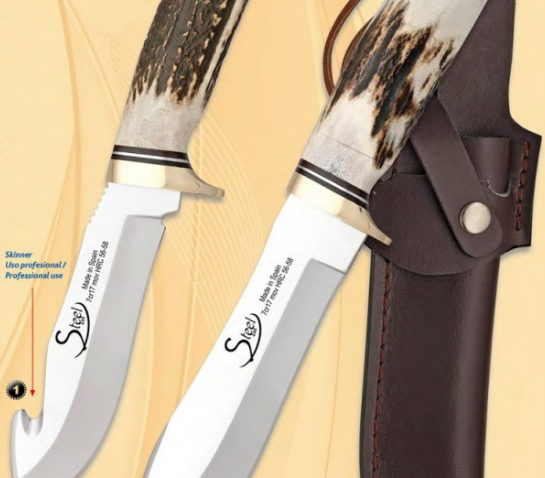
The philosophy behind this line is simple: offer a reliable product with attractive, proven aesthetics, using a steel with proven performance. For that reason, it is common to find classic designs in their catalog, such as finishing knives with deer antler handles, alongside versatile and functional pocketknives.
The Heart of the Beast: Understanding 440 Stainless Steel
To evaluate a Steel 440 knife, we must first understand its essential component. 440 steel belongs to the 400 series of stainless steels, characterized by a high chromium content, which gives it excellent corrosion resistance. However, not all 440 steels are the same.
What Is 440 Steel?
It is a high-end steel within the standard stainless group, known for having the highest carbon content in its series. That carbon is key to hardness and edge retention. Through a heat-treatment process, which often includes oil quenching, this steel can reach a notable hardness of 58–60 HRC (Rockwell hardness scale). This hardness is the sweet spot for many cutlery applications, offering strong edge retention without becoming excessively brittle or difficult to sharpen.
The Different Types of 440 Steel: 440A, 440B and 440C
It is crucial to know the 440 steel subcategory, as properties vary. Although many manufacturers use the generic term “Steel 440”, the differences are important:
- 440A steel: Contains the lowest carbon of the trio (0.65–0.75%). This makes it the most oxidation-resistant of the three, but with lower hardness and edge retention. It is very easy to re-sharpen and is ideal for diving knives or very humid environments where corrosion resistance is the top priority.
- 440B steel: Is an intermediate step (0.75–0.95% carbon). It offers a good balance between hardness, edge retention and corrosion resistance. It is a very capable and versatile steel for general-purpose cutlery.
- 440C steel: Is the highest quality of the series (0.95–1.20% carbon). Thanks to this high carbon content, it achieves superior hardness and therefore excellent edge retention. For a long time it was considered the gold standard for high-end stainless cutlery steels. Although its corrosion resistance is slightly lower than 440A, it remains very good. Most quality “Steel 440” knives tend to use an alloy similar or identical to 440C.
Key Features of Steel 440 Knives
Knives in this line share a number of attributes that define them and make them appealing to a wide audience.
- Sturdy, Reliable Blade: The use of 440 steel ensures a blade that resists rust well, keeps an edge for a considerable time and is not a nightmare to sharpen when the time comes. It is the perfect all-rounder.
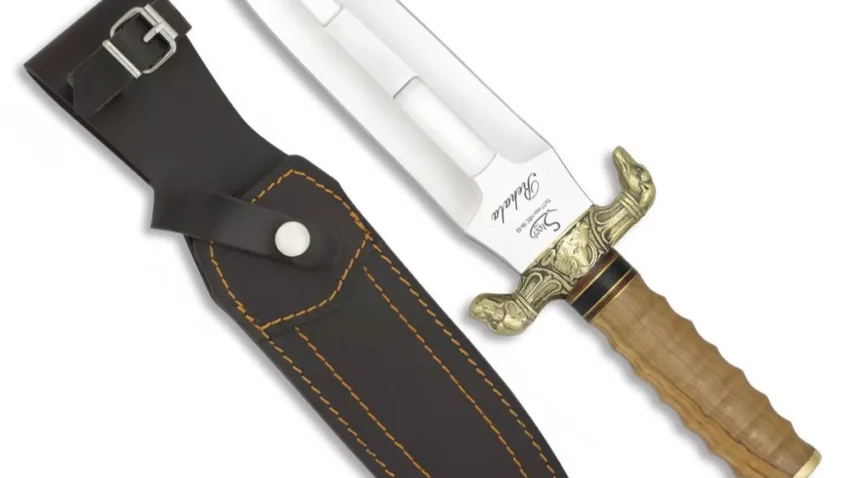
- Traditional, Ergonomic Handles: Many models feature handles made from natural materials such as deer antler or fine woods (olive, cocobolo). These materials not only contribute a classic, elegant look but also provide a comfortable, secure grip.
- Design and Versatility: The catalog ranges from imposing hunting and finishing knives, designed for the most demanding tasks in the field, to practical pocketknives for everyday use or small outdoor chores.
- Quality Sheath Included: Most fixed-blade knives from the Steel 440 brand come with a good-quality leather sheath, a welcomed detail to protect both the edge and the carrier.
Comparison Table: Advantages and Disadvantages of 440 Steel
To get a clear picture, we have summarized the properties of 440C-type steel, the most common in quality cutlery, in a simple table:
| Characteristic | Advantages | Disadvantages |
|---|---|---|
| Hardness and Edge Retention | Very good (up to 60 HRC). Holds an edge longer than lower-grade steels. | Can be outperformed by modern powdered metallurgy steels (though at a much higher cost). |
| Corrosion Resistance | Excellent. Its high chromium content makes it very resistant to rust and staining. | Slightly lower than 440A or steels like H1, but more than sufficient for almost all uses. |
| Ease of Sharpening | Relatively easy to sharpen with appropriate tools (stones, diamond hones). | Requires more effort than a low-carbon steel, like those used in basic kitchen knives. |
| Toughness (Impact Resistance) | Adequate for cutting and precision work. Handles normal use well. | Not the ideal steel for extreme impact tasks like heavy machete work or heavy batoning. |
| Cost / Performance | Possibly its greatest strength. Offers mid-to-high range performance at a very competitive price. | No notable drawback in this respect. |
Who Is a Steel 440 Knife For? Buying Guide by Profile
The versatility of the Steel 440 line means almost any user can find a suitable model. Here we help you identify which one fits you.
For the Hunter and Game Enthusiast
You seek a reliable, robust tool. Your ideal choice is a fixed-blade knife between 10 and 25 cm long. Models with Bowie or drop-point blades are excellent for skinning and field tasks. Deer antler handles not only suit the hunting aesthetic but also provide an exceptional grip even with wet hands. A finishing knife from the Steel 440 line is a classic, functional option.
For the Occasional Adventurer and Outdoor Lover
You need a multipurpose knife for preparing food at a campsite, cutting rope or carving wood to start a fire. A medium-sized field knife (9–12 cm blade) with a wooden or synthetic handle will be your best ally. Steel 440 pocketknives with a blade lock (backlock style) are also a fantastic option for portability and safety.
For the Beginner or Everyday Carry (EDC) User
If you are looking for your first quality knife or a pocketknife to carry daily (Everyday Carry), the ease of maintenance and affordable cost of 440 steel are perfect for you. A Steel 440 pocketknife with wooden or G10 scales will give you excellent cutting performance for daily tasks like opening packages, cutting fruit or stripping a cable, without having to worry constantly about rust or complex sharpening.
Maintenance and Care for Your 440 Steel Knife
Although 440 steel is “stainless”, it is not “rust-proof.” Minimal care will ensure your knife lasts for decades.
- Cleaning: Wash the blade with soap and water after each use, especially if it has been in contact with acidic (fruit, blood) or salty substances. Dry it completely before storing.
- Sharpening: When you notice the edge losing effectiveness, use a sharpening stone, a guided-angle sharpening system or a diamond/ceramic rod. Maintaining the correct angle is key.
- Storage: Keep the knife in its leather sheath. Leather allows residual moisture to breathe. Apply a thin coat of mineral oil to the blade if you will store it for a long period.
Choosing a Steel 440 brand knife is betting on a safe value. It represents the combination of soulful Spanish design and the reliability of one of the most popular and respected steels in cutlery history. It’s the perfect tool for anyone who values functionality, traditional aesthetics and exceptional value for money, allowing you to own an effective, durable cutting piece ready for any challenge.