
At the heart of every kitchen, whether it’s a bustling restaurant or a cozy home where culinary passion flourishes, lies an indispensable tool: the professional knife. More than just a simple utensil, a good knife is an extension of the chef, crucial for efficiency, precision, and safety in food preparation. If you’ve ever wondered how professionals achieve those perfect cuts or what makes a knife truly “professional,” you’re in the right place.
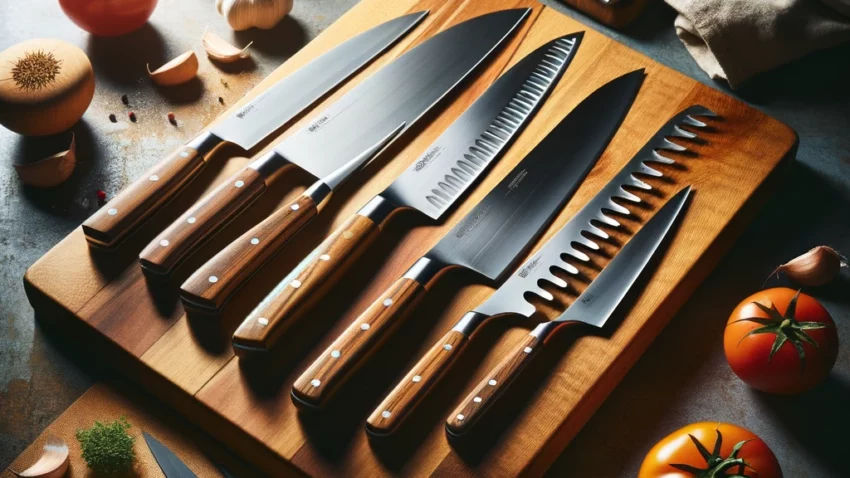
There are hundreds of knife varieties, each with its specific size, shape, material, and function. Choosing the right ones is an important task that can transform your kitchen experience. Professional knives are the best option for your kitchen. A professional knife has three essential characteristics: a good edge, balance, and stainless steel construction. Only then is a perfect cut guaranteed.
Why Choose Professional Kitchen Knives?
Contents
You might wonder, what differentiates a professional knife from a conventional one? The answer is simple: superior performance. These knives are designed to last and offer exceptional control. They are made with high-quality materials that ensure a durable edge, admirable resistance, and an ergonomic design that improves comfort and grip.
Investing in quality knives will allow you to make cleaner and more precise cuts, reduce effort in your daily tasks, and, most importantly, prevent accidents in the kitchen. The best edges are those forged and tempered at right angles on both sides of the blade. Good professional knives should be light, precise, and balanced. For a professional chef and for a hospitality professional, their excellent quality professional knife is as prized as a katana is for the Samurai. This is because a chef’s knife or any other specialized type of knife becomes an extension of their hand, allowing them to execute complex tasks with astonishing ease in any professional kitchen.
Learn About the Types of Professional Knives and Their Uses
The world of knives is vast, and each has its specialty. Knowing them will help you equip your kitchen in the best way according to your needs. Here are the main types of knives that every professional cook should consider:
Chef’s Knife or Cook’s Knife
- It is the “all-rounder” of the kitchen and an essential tool. Its wide, sharp blade is perfect for chopping, dicing, and slicing a wide variety of ingredients, from meats to vegetables. It is the quintessential cook’s knife, indispensable in any kitchen, whether domestic or industrial. Cook’s knives are the foundation of any professional knife set.
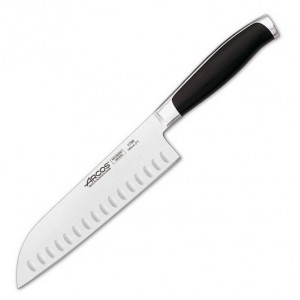
Santoku Knife
- A popular alternative to the chef’s knife, with a more compact and lighter design. It is ideal for quick and precise cuts, especially with vegetables, meat, and fish. The santoku knife, often part of Japanese knives, is known for its versatility and its ability to make thin, uniform cuts.
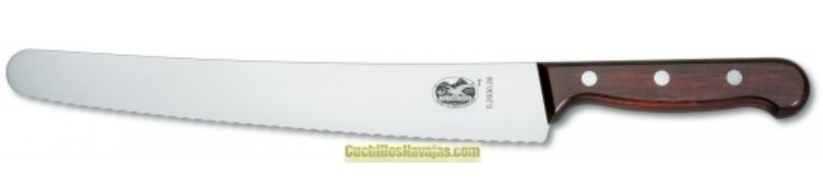
Bread Knife
- Its serrated blade is its distinctive feature, allowing you to cut bread without crushing it. It is also useful for ingredients with tough skins and soft interiors, such as tomatoes. Bread knives are specialized tools that ensure perfect slices without tearing the crumb.
Boning Knife
- Specifically designed to separate meat from bone. Its narrow, flexible blade makes it perfect for working with cuts of meat, chicken, or fish. Boning knives are essential for butchers and chefs who prepare complex meat cuts.
Vegetable Knife or Onion Knife
- With a straight, wide blade, this knife offers optimal control for cutting and peeling vegetables with precision, minimizing waste. The onion knife is a classic example of this type of knife, ideal for finely chopping onions and other vegetables.
Utility Knife
- A smaller, more versatile version of the chef’s knife. It is practical for various tasks, such as cutting fruits, cheeses, and cold cuts. It is an excellent complement to any knife set, offering flexibility for quick tasks.
Paring Knife or Peeling Knife
- With its small, pointed blade, it is the ideal tool for precision work, such as peeling fruits and vegetables, or for those culinary decorations that require great detail. Paring knives or peeling knives are small but powerful for delicate tasks.
Ham Knives
- These knives are long, thin, and very flexible, specifically designed for slicing thin slices of ham. Their blade allows them to glide easily along the ham, obtaining uniform and perfect cuts. They are essential for any good ham lover and for charcuterie professionals.
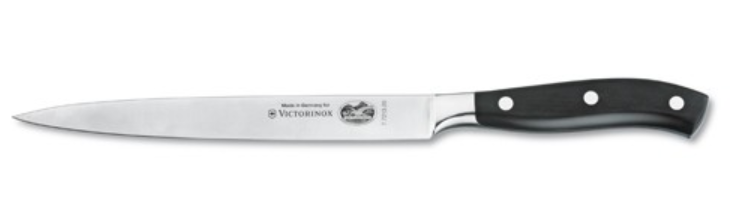
Fillet Knives
- Similar to boning knives, but with a longer, thinner blade, ideal for filleting fish or boneless meat. They allow for clean, tear-free fillets, crucial for impeccable presentations.
Steak Knives
- Designed for cutting cooked meat at the table. Their blade often has a serrated or micro-serrated edge that allows for easy cutting of meat without dragging it. They are essential in any restaurant or at home for enjoying a good steak. Steak knives are an important part of table knives.
Butcher Knives
- Robust and with thicker blades, they are designed for cutting large pieces of meat, separating tendons, and working with smaller bones. They are heavy-duty tools for butchery professionals.
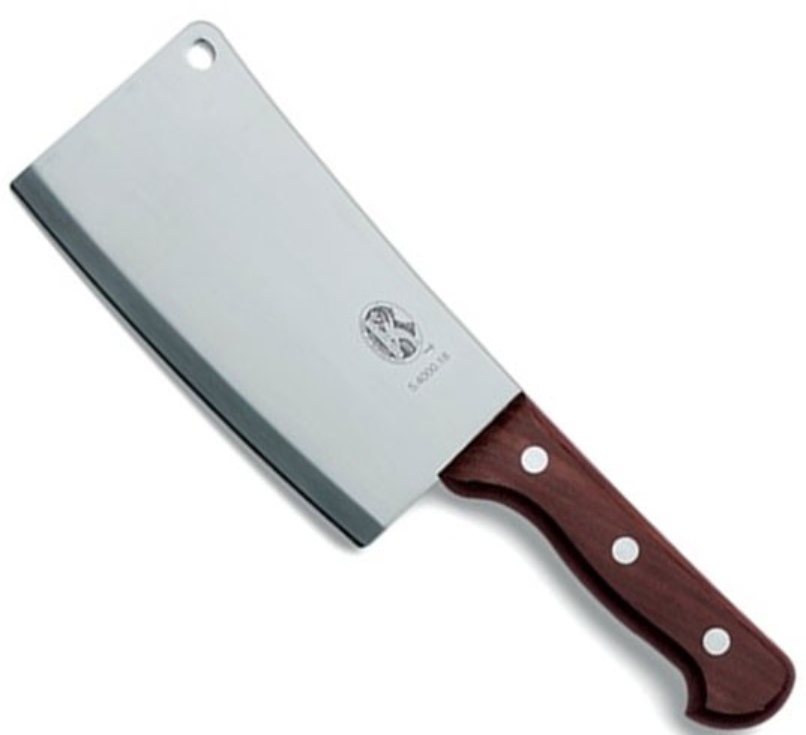
Table Knives
- Although often underestimated, professional table knives are important for the diner’s experience. They are designed to cut food on the plate efficiently and comfortably, often with an ergonomic handle and a good quality stainless steel blade.
Manufacturing Materials: The Key to a Good Edge
The material of a knife’s blade is fundamental, as it determines its performance, resistance, durability, ability to retain its edge, and the overall quality of the cut. Each material has its own characteristics and advantages. Understanding these differences is key when buying a kitchen knife set or individual pieces.
Stainless Steel
- Very common in the manufacture of professional knives, thanks to its excellent resistance to oxidation and corrosion. It is an alloy of iron and carbon, to which chromium is added to prevent stains and give it a shiny finish. These knives are durable and resistant, although they tend to lose their edge faster than others and require frequent sharpening. It is important to know that there are many alloys of stainless steel with different qualities. Stainless steel knives are a robust and reliable option for daily use in any professional kitchen.
High-Carbon Stainless Steel
- Unlike traditional stainless steel, these knives do not contain chromium. This gives them exceptional strength and rigidity, maintaining an extremely sharp edge for longer. They are ideal for knives that require a high cutting capacity. However, the absence of chromium makes them more prone to staining and discoloration, especially on contact with acidic ingredients. Therefore, they are not the best option for open kitchens where knives are on display. This type of knife is highly valued by chefs who seek a superior edge and are willing to dedicate time to its maintenance.
Ceramic (Zirconium Oxide and Aluminum Oxide)
- These knives, being non-metallic, are more delicate. Their main advantage is a powerful edge that can last up to ten times longer than that of knives made from other materials. They are very light and hygienic, as they do not transfer odors or flavors to food and do not oxidize it. However, they are more expensive and fragile, so they must be handled with extreme care, as they tend to break or crack easily. Once they lose their edge, they need to be sharpened by a professional. They are only suitable for cutting fruits, vegetables, and boneless foods.
Titanium
- Known for being one of the strongest and most resistant materials, titanium is used to manufacture knives forged with this metal and carbides. Its high resistance to oxidation makes it ideal for professional kitchens. Titanium knives are lighter than stainless steel knives, retain their edge longer, and are more resistant. In addition, their blade is more flexible, which makes them perfect for tasks such as boning or filleting all types of meat.
Damascus Steel
- Although not mentioned in the original context, Damascus steel is a highly valued material in the manufacture of Japanese knives and high-end knives. It is characterized by its distinctive wavy pattern on the blade, resulting from the forging of multiple layers of different steels. This not only gives it unique beauty but also confers exceptional hardness and flexibility, which translates into an incredibly durable and resistant edge. Damascus steel knives, such as Kai Shun or the Kai knife, are an investment for the professional chef who seeks the ultimate in performance and aesthetics.
Anatomy of a Professional Knife: Every Part Counts
Understanding the different parts of a professional knife will help you better understand how to use them and why they are ideal for each application. Each component is designed to contribute to the balance, strength, and precision of the cut.
- Tip: The end where the spine and the edge meet. It is used for piercing or marking with precision.
- Blade: It is the main and most crucial part of the knife, including the tip, edge, spine, and heel. Its size, shape, and material define the characteristics and uses of the knife. A high-quality steel blade is the heart of a good knife.
- Spine (or Back): The thickest part of the blade. Its thickness varies depending on the type of knife and is fundamental for the strength of the edge and the overall stability of the blade.
- Edge: The sharp edge of the blade, responsible for cutting. The quality of the edge is what distinguishes the best knives.
- Heel: Located on the bottom edge, it is the part furthest from the tip and generally the widest part of the blade. It is used when more force or pressure is required to cut food, especially in difficult cuts.
- Bolster: The area between the blade and the handle. It helps balance the weight of the knife and prevents the hand from sliding towards the blade, increasing safety.
- Tang: The unsharpened part of the blade that extends into the handle. It is vital for the balance, weight, strength, and stability of the knife. A full tang (which runs the entire length of the handle) is a sign of a higher quality and more durable knife.
- Handle: The part by which the knife is held. It can be made of various materials such as wooden handle, stamina, rosewood, deer antler, etc. Its design varies, often incorporating ergonomic handle features for a more comfortable and secure grip. The knife’s handle greatly contributes to its perfect balance, allowing the cook to work without fatigue.

Essential Care for Your Professional Knives
Proper maintenance is essential to ensure the good performance and prolong the useful life of your professional knives. A well-maintained professional kitchen knife will maintain its optimal performance for years. Here are some key tips for the care of our knives and yours:
- Immediate Cleaning: Do not leave food residue on knives for too long, especially if they contain salt or acids. Wash them by hand with warm water and soap immediately after use.
- Complete Drying: Dry knives with a soft, clean cloth immediately after washing. Prolonged moisture, even on stainless steel, can cause stains or corrosion.
- Avoid Metal-to-Metal Contact: Do not allow wet knives to come into contact with other metals to prevent galvanic corrosion.
- Appropriate Cutting Surfaces: Do not use knives on hard surfaces such as natural or synthetic stone. It is recommended to use acrylic, wood, or bamboo cutting boards. This protects the blade’s edge and prolongs its useful life.
- Regular Sharpening: Sharpen your knives periodically with the appropriate tool for the type of material of the blade. A quality sharpening stone is an essential investment to maintain the edge of your professional kitchen knives.
- Safe Storage: Store knives in a suitable place to prevent accidents and to keep them from losing their edge. Wooden blocks, magnetic strips, or individual sheaths are excellent options to protect the blade and keep them safe.
Professional Knife Washing in Industrial Dishwashers
For professional kitchens, washing knives in industrial dishwashers is an efficient option, but it requires precautions. Winterhalter equipment, for example, is suitable for knives of any material. You can configure specific washing programs according to the type of material to obtain the best hygiene and prolong their useful life. Here are some recommendations:
- Post-Wash Ventilation: Open the dishwasher immediately after the cycle ends to prevent knives from being exposed to water vapor, which can be detrimental to the edge and handle material.
- Specific Detergent: Use a detergent suitable for the material of your knives. Harsh detergents can damage Damascus steel or wooden handles.
- Correct Placement: Avoid the blades of the knives from coming into contact with other utensils when placing them inside the dishwasher. Use specific baskets or compartments for knives to protect the edge.
- Custom Program: Configure the washing cycle according to the knife’s material. Some materials require lower temperatures or shorter cycles.
How to Choose the Perfect Knife for You?
There is no single “best” chef’s knife, as the ideal choice depends on your needs and what you expect from it. A chef’s knife, like any other kitchen knife, is a balance between its cutting properties, its robustness, and the frequency of maintenance it requires. Whether you are an experienced professional cook or a culinary enthusiast, the purchase of professional knives should be an informed decision.
When selecting your knives, consider these fundamental aspects to make the best purchase:
- Blade Material: Both stainless steel and carbon steel are popular choices for their durability and ease of maintenance. Remember that greater steel hardness means the knife will retain its edge longer. Japanese knives, for example, often have high-carbon steel blades, offering an exceptional edge.
- Handle Ergonomics: A comfortable and non-slip handle is crucial for your safety and for better knife control. Try different shapes and materials, such as a wooden handle or synthetics, to find the one that best fits your hand. An ergonomic handle reduces fatigue during long cutting sessions.
- Edge Type: Evaluate whether you need a smooth or serrated edge, depending on the specific tasks you will perform. For cutting meat and fish, a smooth, sharp edge is generally preferable, while for bread, a serrated edge is indispensable.
- Ease of Maintenance and Sharpening: It is essential to choose knives that you can easily sharpen and maintain in optimal condition to ensure their performance. Some steels are easier to sharpen than others. Consider whether you have access to a sharpening stone or professional sharpening services.
- Purpose and Use: Define what you need the knife for. Are you looking for a versatile onion knife for everyday use, a ham knife for special occasions, or a complete knife set to equip your professional kitchen? If you are looking for meat knives, perhaps a steak knife or a boning knife would be more suitable.
- Brand and Reputation: Research recognized brands in the world of professional knives. Brands like Arcos, Wüsthof, Global, or the prestigious Kai Shun and Kai knife, are synonymous with quality and durability. Reading reviews and comparisons will help you make an informed decision.
- Budget: Professional knives vary greatly in price. Set a budget, but remember that a good knife is a worthwhile long-term investment. Sometimes, buying a good kitchen knife set can be more economical than acquiring individual high-end pieces.


In summary, professional knives are an invaluable investment for any gastronomy enthusiast or expert. By understanding the types, materials, anatomy, and care, and by knowing how to choose the right one, you will significantly improve your efficiency and precision in food preparation. Exploring our knives will open up a world of possibilities for your professional kitchen. If you are looking for the best kitchen knives for your home or business, we invite you to see all the professional kitchen knives available in our online store. Discover the quality and precision that will transform your culinary experience.