
Knives are, without a doubt, one of the most important and indispensable tools in any kitchen, both for professional chefs and demanding amateurs. They are an extension of the cook’s hands, and good quality knives can enhance the culinary experience. However, for these culinary allies to maintain their precision, aesthetics, and durability, they require special care and proper maintenance.
Often, doubts arise about how to care for them correctly, and it is common to make mistakes that can shorten their lifespan. With this guide, you will discover the fundamental pillars of knife maintenance, ensuring their optimal performance and your safety in the kitchen.
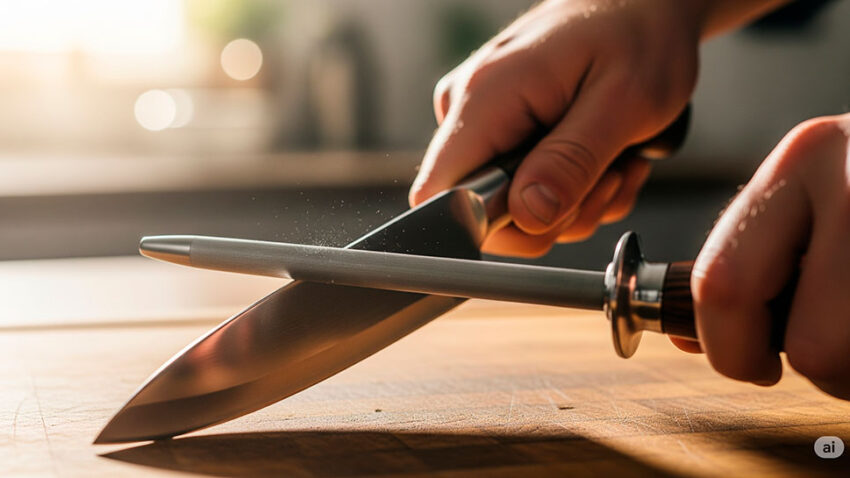
Why is Maintenance Key for Your Knives?
Contents
Understanding the importance of maintenance is the first step. High-end knives, especially Japanese knives, are made with very hard steels, which gives them an exceptionally fine and precise edge. This characteristic makes them superior cutting tools, but it also means they cannot be treated like a conventional knife.
Proper maintenance not only protects your knives but also extends their lifespan and keeps their edge in perfect condition. A well-maintained knife improves the cooking experience, ensures precise cuts, and most importantly, prevents unnecessary accidents. A dull blade or a damaged handle can cause injuries, while good care will save you from having to replace them frequently, which means long-term economic savings.
Pillar 1: Correct Use – Cut with Intelligence
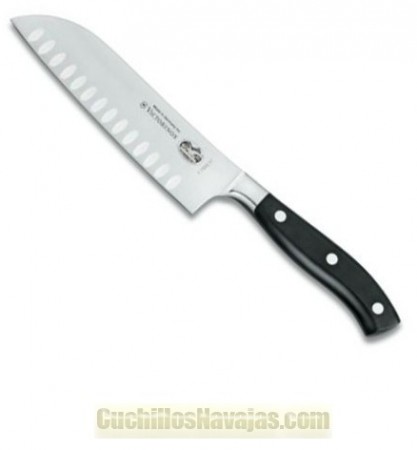
The first step to good maintenance is to use your knives properly. Each knife is designed for a specific task; a Santoku is versatile, a Yanagiba is for sashimi, a Deba for fish, and a Nakiri for vegetables. Choosing the correct knife for each task optimizes the result and avoids forcing the material.
Common Cutting Mistakes and How to Avoid Them:
- Cutting hard foods: Avoid using kitchen knives to cut bones, thick fish bones, or frozen foods. This can chip or even crack the blade. For these tasks, it is better to use a western butcher knife or one specifically designed for hard cuts.
- Incorrect movements: Avoid lateral or “prying” movements with the knife, as they can damage the edge. Knives are made for up and down cutting movements.
- Applying too much pressure: If you need to apply a lot of force to cut, it is likely that your knife is dull. Not only will you get more tired, but it also increases the risk of slips and accidents.
- Inadequate cutting boards: Never cut on surfaces that are too hard such as glass, marble, or rigid plastic. These surfaces do not absorb impact and damage the knife’s edge. The rule is simple: if the knife does not scratch the board, the board is too hard for the edge. The best option: Always use soft wood or food-grade polyethylene cutting boards.
Pillar 2: Deep and Safe Cleaning
Proper cleaning is crucial for the durability and quality of your knives. To keep a knife in perfect condition and with much longer durability, the first thing is to buy one of excellent condition and very good quality in its manufacturing materials, both the blade and the handle. Some tips that will help us in its cleaning are, that is, wash the knives immediately after use and do not leave them in prolonged contact with food residues. Wash them with neutral or slightly alkaline detergents so that they do not corrode the steel, as bleach, soda or detergents containing chlorine or free chlorides do. Do not rub the knives with abrasive products or scourers or metallic or synthetic cleaners. In the dishwasher, place the knives with the blades facing down, in separate baskets from the rest of the dishes.
The Golden Rule: Always by Hand
- Forget the dishwasher: This is the most important unwritten basic law: no kitchen knife manufacturer advises washing them in the dishwasher. Heat, humidity, and aggressive detergents can irreparably damage the blade (causing rust stains, opacity in hardened steel) and the handle (especially if it is wood, which can break or its rivets loosen). In addition, contact with other hard utensils in the dishwasher can damage the edge. If you do not turn on the dishwasher immediately, food residues can leave stains on the blade.
- Do not leave them soaking: Knives should not remain in the sink or soaking for a long time (never more than one or two minutes). Prolonged humidity harms their quality and increases the risk of accidents.
- Immediate rinse: Right after using it, run the knife under running water to prevent food residues from sticking.
- Warm water and neutral soap: The best way to clean your knives is to wash them by hand with warm water and a little neutral detergent or dish soap. Rub gently.
- Instant drying: This is one of the most important tips: always dry your knives immediately with a soft, clean cloth after washing them. Do not leave them wet or allow them to air dry, as humidity can damage their characteristics and cause rust stains. Do not leave knives submerged in water for a long time, especially if it is hard or saline water that affects the metal. When washing them, they should be dried immediately with soft, absorbent cloths.
Pillar 3: Sharpening for a Durable Edge
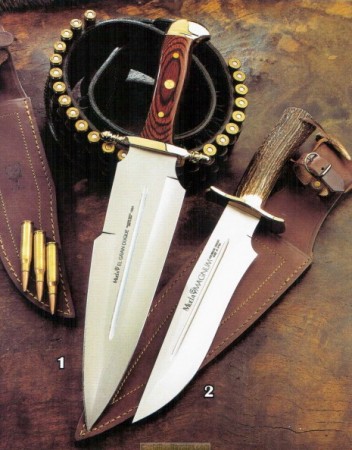
No matter how careful you are, all knives lose their edge with continuous use. A dull knife is not only less efficient but also more dangerous, as it requires more pressure and increases the risk of accidents.
How often to sharpen?
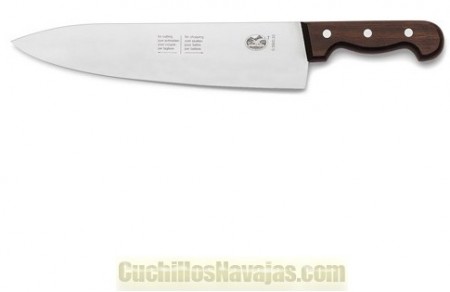
The “feel” of a sharp knife is subjective and varies for each person. However, if you feel that your knife no longer cuts with its usual smoothness or “catches” when cutting, it’s time to sharpen it. The frequency of sharpening depends on several factors:
- Knife quality: High-quality knives, made with steels that prioritize edge retention, need to be sharpened much less frequently than more economical knives.
- Frequency and type of use: If you cook daily, or if you use hard cutting boards and a more aggressive cutting style, your knife will lose its edge more quickly. A more delicate use on a wooden board reduces the need for sharpening.
- Sharpening method: The sharpening technique also influences the sustainability of the edge. Meticulously sharpening with a sharpening stone can offer a more durable edge than a simple sharpener.
As a general rule, it is recommended to sharpen knives frequently. It is much easier to maintain a reasonably sharp knife than to restore a completely dull one. A knife that has been regularly maintained takes less than half the time to sharpen than a completely dull one. A basic recommendation is to sharpen every one or two months.
DIY vs. Professional Sharpening:
- Do it yourself: Sharpening a knife is a skill that can be learned at home with practice, patience, and knowledge. It can even be a fun and meditative activity!
- Professional service: If regular sharpening is difficult or time-consuming for you, or if your knife is damaged, chipped, or rusted, you can resort to a professional sharpener. Professional sharpening, even once a year, can significantly improve your knife’s performance. When choosing a professional, ask about their methods (automatic machines vs. manual stones) and the estimated time for the service, as a longer response time often indicates more meticulous work.


Pillar 4: Smart and Protected Storage
Storing your knives safely is as important as cleaning and sharpening them. Never store knives loosely in a drawer with other utensils. This not only damages the edge by colliding with other objects but also poses a safety risk when reaching in.
Recommended Storage Options:
- Wooden blocks: These are a traditional and aesthetic option that keeps knives isolated and protected. Wood is soft and non-abrasive, protecting the edge.
- Magnetic strips: Ideal for minimalist kitchens, they save space and keep knives visible in an organized way, protecting the edge.
- Individual sheaths (Saya): Especially for Japanese knives, individual sheaths prevent the edge from being damaged by collisions and are useful for safe transport.
- Universal rubber blocks: A modern alternative to wooden blocks, they offer versatility and security, being easy to clean.
- In-drawer knife organizers: They keep knives individually organized and out of sight within drawers, preventing damage.
Additional Tips for Knife Care:
- Blade oiling: For steels more sensitive to oxidation, especially if you live in a humid area, you can oil the edge occasionally. This creates a protective layer that insulates from moisture. For knives that come into contact with food, some experts suggest food-grade oils like olive or sunflower oil to form this protective barrier. However, others recommend highly filtered mineral oils for cutlery in general, warning against the use of vegetable oils due to their density and possible degradation over time, which could favor dirt accumulation. It is always important to dry the knife very well before applying any protector.
- Avoid lending them: Do not lend your knife to people who do not know how to use or care for it, to avoid possible damage.
The Investment of Good Care
Taking good care of a knife is, in essence, taking care of your kitchen. Professional knives are valuable and unique tools, both for their functionality and their aesthetics. By investing time in their proper maintenance, you not only prevent accidents and breakages but also ensure an impeccable and precise kitchen tool that will accompany you for years. If you are looking for the best quality to equip your kitchen, in our store you will find a wide variety of professional knives and sharpening accessories from leading brands.


